
-
40-Pin Male to Female Dupont Jumper Wires for Breadboarding
Regular price From $83.00 TWDRegular price -
40-Pin Male-to-Male Dupont Jumper Wires for Arduino & Raspberry Pi
Regular price From $83.00 TWDRegular price -
400 Tie-Point Solderless Breadboard for Arduino & DIY Projects
Regular price $63.00 TWDRegular price -
40-Pin Female-to-Female Jumper Wires for Breadboards (20cm/40cm)
Regular price From $83.00 TWDRegular price -
1 Meter Multi-Size Heat Shrink Tubing | Thickened Insulated Sleeve
Regular price From $21.00 TWDRegular price -
140 Pcs Preformed Breadboard Jumper Wire Kit for Arduino & Prototyping
Regular price $104.00 TWDRegular price -
165x55mm 830-Point Solderless Breadboard for DIY Electronics
Regular price $83.00 TWDRegular price -
580PC Heat Shrink Tubing Wire Cable Wrap Kit – Assorted Sizes & Colors
Regular price $79.00 TWDRegular price -
50pcs CH-2 Spring Clamp Terminal Blocks │ Quick Wire Connectors
Regular price $63.00 TWDRegular price -
2.54mm Pitch Pin Headers & Sockets (1x40, 2x40, Right Angle)
Regular price $21.00 TWDRegular price -
Breadboard Layout Solderable PCB – 2.54mm Pitch (52×90mm)
Regular price $75.00 TWDRegular price -
30AWG High Temp Wire: 250M Soldering & DIY Motherboard Cable
Regular price $120.00 TWDRegular price -
65Pcs Assorted Breadboard Jumper Wires Kit (Male to Male)
Regular price $63.00 TWDRegular price -
40-Pin Header 2.54mm Breakaway Male Connector (6 Colors) | Arduino Pins
Regular price $42.00 TWDRegular price -
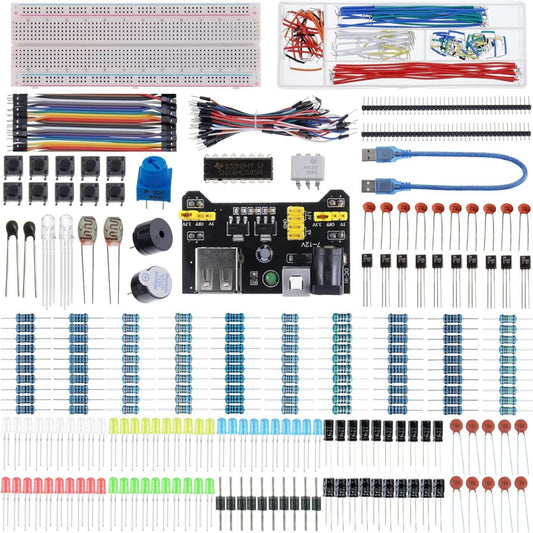
37 Values 480 Pcs Electronics Component Fun Kit
Regular price $406.00 TWDRegular price -
24AWG Red/Black Zip Wire - Tinned Copper Hook-up Cable (80°C 300V)
Regular price From $17.00 TWDRegular price








Electronic Prototyping Components & Specifications
Selecting the correct wiring and prototyping board is crucial for transitioning your project from a temporary test to a permanent deployment. Here is a technical breakdown of our core accessories:
| Component Type | Key Specifications | Best Use Case |
|---|---|---|
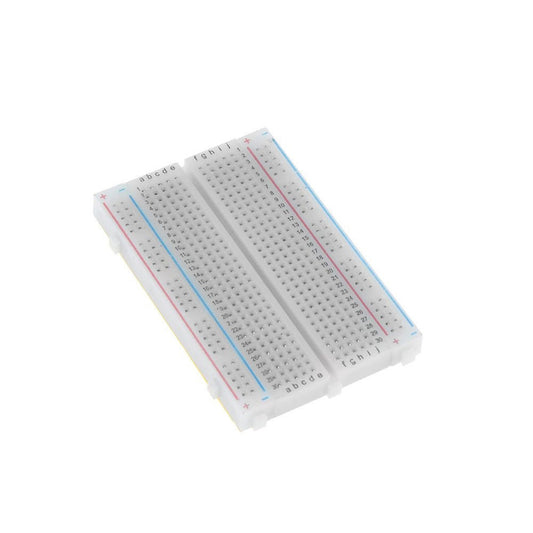
| Solderless Breadboards | 400 / 830 Tie-Points, Standard 2.54mm pitch | Rapid circuit testing, STEM education, and temporary IC integration. |
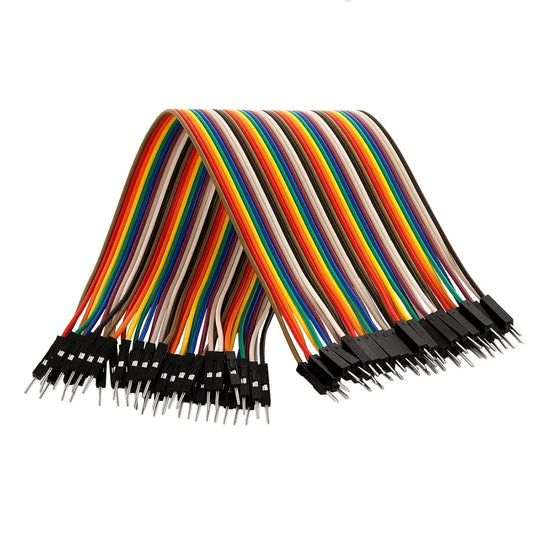
| Dupont Jumper Wires | 20cm / 40cm (M/M, M/F, F/F configurations) | Quick, solder-free connections between microcontrollers and sensors. |
| PCB Prototype Boards | Double-sided tinned, 2.54mm universal hole pitch | Permanent circuit soldering and long-term project deployment. |
| Connectors & Terminals | JST (PH2.0/XH2.54), PCB Screw Terminal Blocks | Creating secure, modular, and detachable wire-to-board connections. |
Important Note (High-Frequency & Current Limitations): Solderless breadboards are designed strictly for low-voltage, low-frequency prototyping (typically under 5V/1A and <10MHz). The internal metal spring clips introduce parasitic capacitance and resistance. You must never use a breadboard for high-current applications (like motor drivers or AC mains), as the plastic housing will melt and cause a severe fire hazard. Always migrate high-power circuits to a soldered PCB.
Frequently Asked Questions (FAQ)
Q: Why are my breadboard sensor readings fluctuating or unstable?
A: Fluctuations are often caused by loose Dupont wires or oxidized breadboard clips. For critical analog sensor readings, temporary breadboard connections can easily introduce electrical noise. We strongly recommend migrating your finalized design to a double-sided PCB prototype board and securing connections with JST connectors or screw terminals for enterprise-grade stability.
Q: What size heat shrink tubing should I buy for standard Dupont wires?
A: For standard 24AWG to 28AWG Dupont or hook-up wires, a 2mm to 3mm diameter heat shrink tube is ideal. Remember that standard heat shrink typically reduces to half its original diameter (a 2:1 shrink ratio) when heated. We stock assorted heat shrink kits in our physical store, and our staff can help you find the perfect fit for your specific wire gauge.