
-
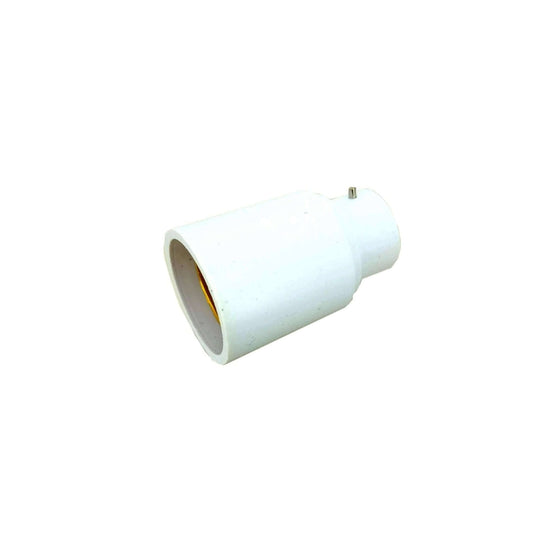
B22 to E27 Light Socket Adapter - Bayonet to Screw Converter
Regular price $43.00 TWDRegular price -
1M WS2812B Addressable RGB LED Strip Light – 30 LEDs/M, 5V, IP65
Regular price $191.00 TWDRegular price -
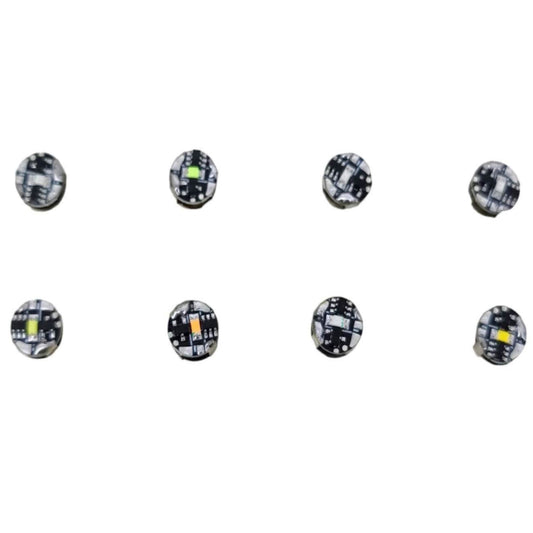
Mini Magnetic Control LED Lamp for DIY & Diorama - Wireless Light
Regular price $34.00 TWDRegular price -
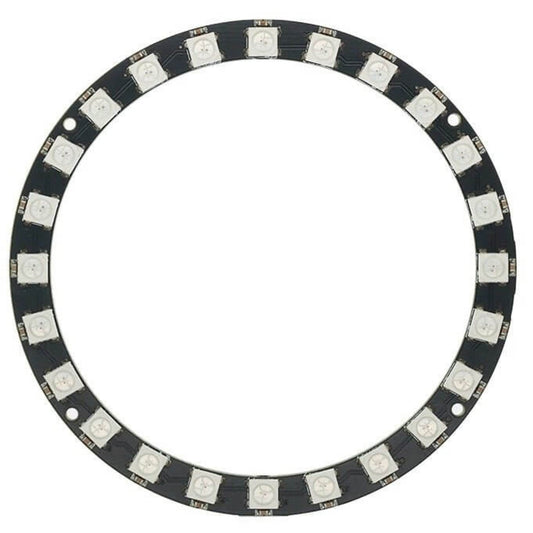
WS2812B 5050 RGB LED Ring – Addressable Light Module (24/16/12 Bit)
Regular price From $51.00 TWDRegular price -
5mm LED Light Emitting Diodes (3-Pack) - for STEM & DIY Projects
Regular price $26.00 TWDRegular price -
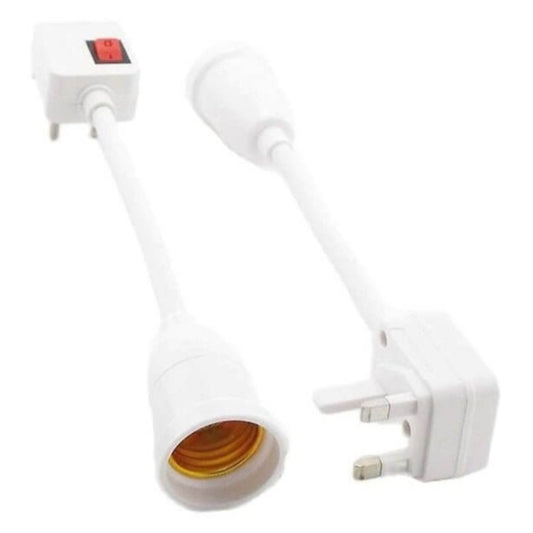
UK Plug to E27 Lamp Holder Adapter with On/Off Switch
Regular price $85.00 TWDRegular price -
3mm Ultra-Bright LED Diodes (10pcs) - Round Head DIY Electronic Parts
Regular price $43.00 TWDRegular price -
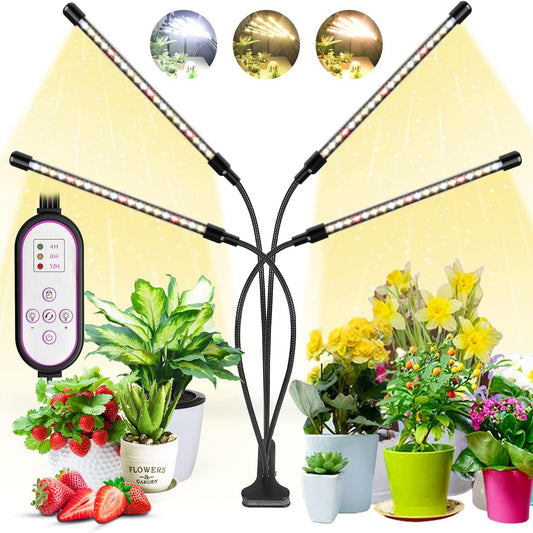
4-Head Full Spectrum LED Grow Light – Dimmable Indoor Plant Lamp
Regular price $374.00 TWDRegular price -
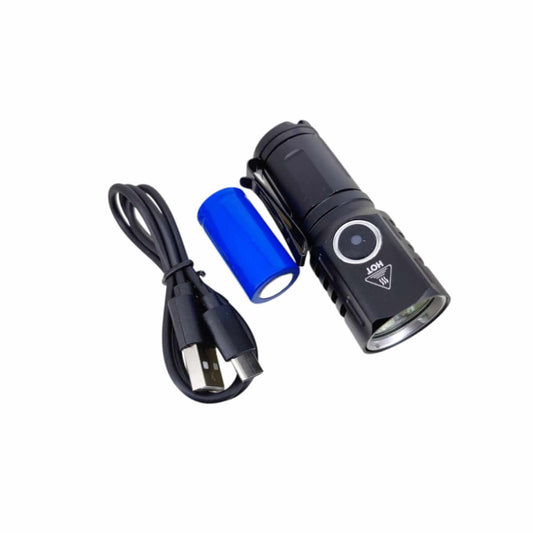
High Power Compact Flashlight - 15W Strong Beam, Rechargeable
Regular price $234.00 TWDRegular price -
AH-310 Smart Spectrometer & Color Temperature Light Meter
Regular price $1,265.00 TWDRegular price -
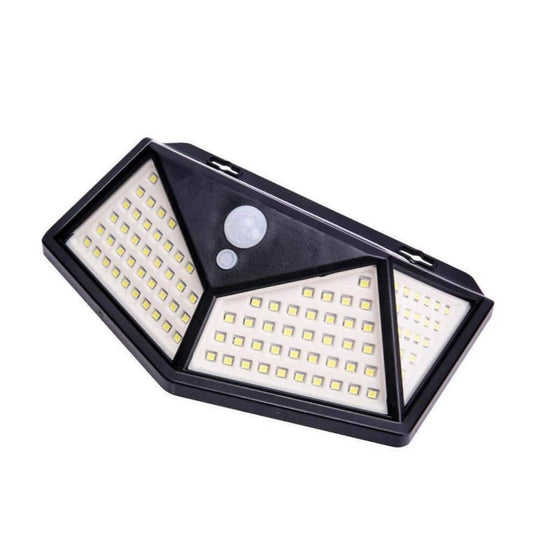
114 LED Solar Motion Sensor Security Light | IP65 Outdoor Wall Lamp
Regular price $119.00 TWDRegular price -
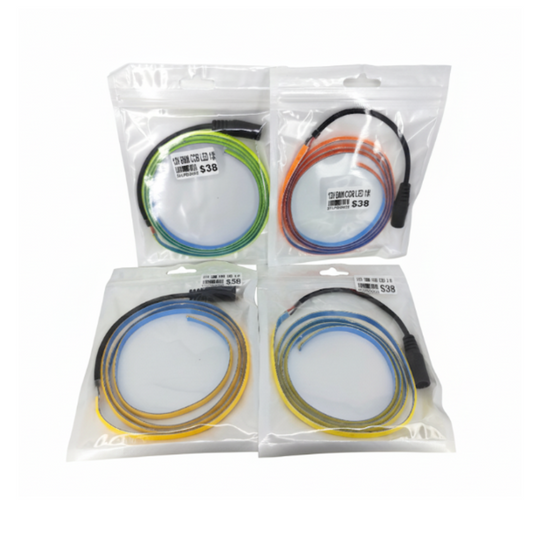
5mm COB LED Strip Light 1M - 12V Ultra-Thin, Dot-Free Accent Lighting
Regular price $162.00 TWDRegular price -
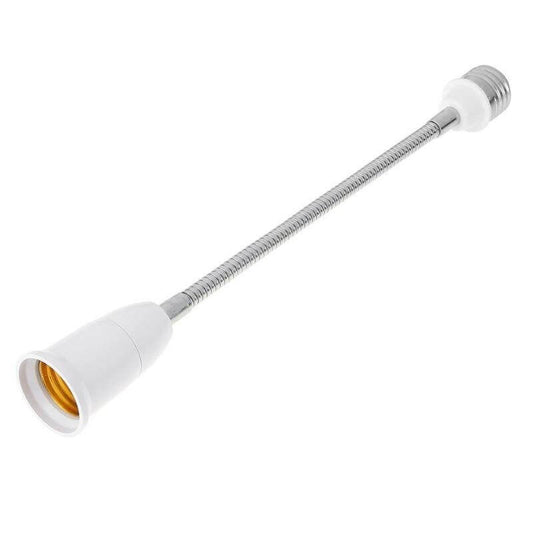
Flexible E27 Light Bulb Socket Extender with 30cm Gooseneck Adapter
Regular price $77.00 TWDRegular price -
Warm White LED String Light (5M/10M, Battery Powered)
Regular price From $124.00 TWDRegular price -
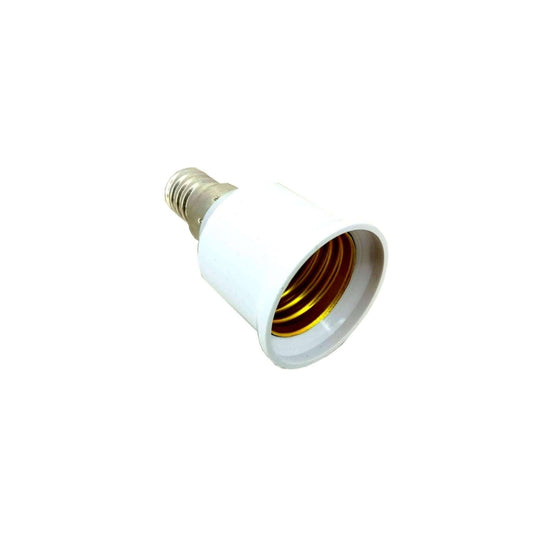
E14 to E27 Lamp Holder Converter Adapter | Small to Large Screw
Regular price $43.00 TWDRegular price -
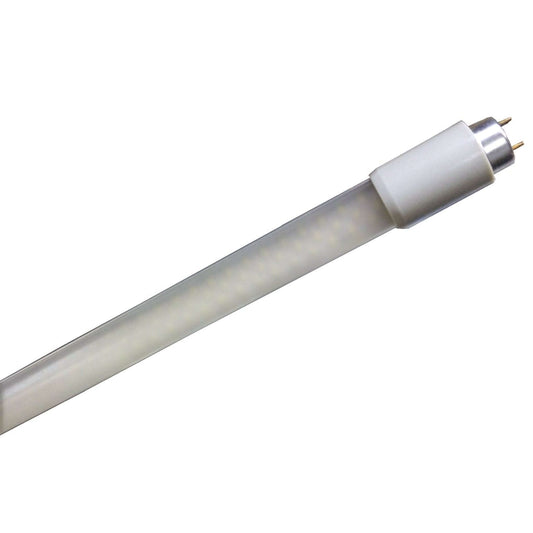
T8 48" 18W LED Tube Light | 5000K Cool White 4FT Bulb
Regular price $293.00 TWDRegular price





Technical Guide to LED Strips & Lighting Components
Selecting the correct lighting components requires matching voltages, controller types, and environmental ratings. Here is a technical breakdown of our core lighting products to help you build a safe and stable setup:
| Lighting Type | Key Specifications | Best Use Case |
|---|---|---|
| WS2812B Addressable LED Strips | 5V DC, Individually programmable ICs | Custom PC case lighting, Arduino/Raspberry Pi DIY projects, and dynamic dioramas. |
| COB LED Strips | 12V/24V DC, High-density dot-free illumination | Under-cabinet lighting, architectural accents, and seamless linear lighting. |
| Solar Motion Lights | Built-in Li-ion battery, PIR motion sensor, IP65+ | Outdoor security, garden pathways, and areas without AC power access. |
| Lamp Holder Converters | E27 to E14, E27 to B22, Fire-retardant PBT | Adapting existing light fixtures to fit different bulb bases safely. |
Important Note (Engineering Limitations & Voltage Hazards): When working with 5V WS2812B LED strips, be aware of "voltage drop." If you daisy-chain more than 5 meters of 5V strips, the LEDs at the end will turn yellow or dim. You must inject 5V power at both ends. Furthermore, never plug a 5V LED strip into a 12V power supply; it will instantly fry the LEDs and the controller chip.
Frequently Asked Questions (FAQ)
Q: Can I cut my LED strip lights anywhere?
A: No. You can only cut LED strips along the designated copper cut lines (usually marked with a scissor icon). Cutting anywhere else will break the electrical circuit for that specific segment, causing a cluster of LEDs to permanently fail.
Q: Are lamp holder converters (e.g., E14 to E27) safe to use for high-wattage bulbs?
A: They are safe for modern, low-wattage LED bulbs (typically under 20W). However, you should never use these plastic adapters for old-fashioned incandescent or halogen bulbs that generate massive amounts of heat (e.g., 60W or 100W), as the extreme temperature can melt the adapter and cause a fire hazard.