
-
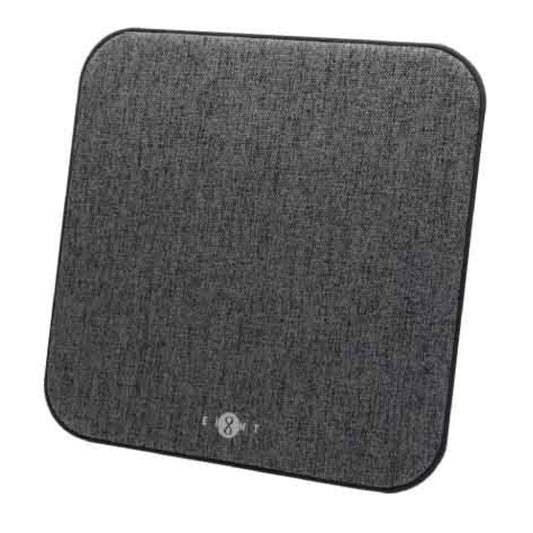
Comfort Fabric 5G Indoor TV Antenna TC-01 | HD Digital Aerial
Regular price $760.00 TWDRegular price -
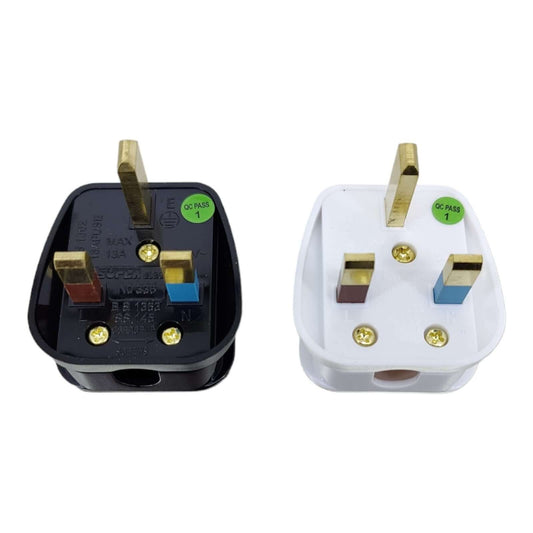
Eight UK BS 1363 13A Rewirable 3-Pin Power Plug (Black/White)
Regular price $34.00 TWDRegular price -
EIGHT ODA-188(5G) Outdoor Digital TV Antenna | Complete High-Gain Set
Regular price $2,016.00 TWDRegular price -
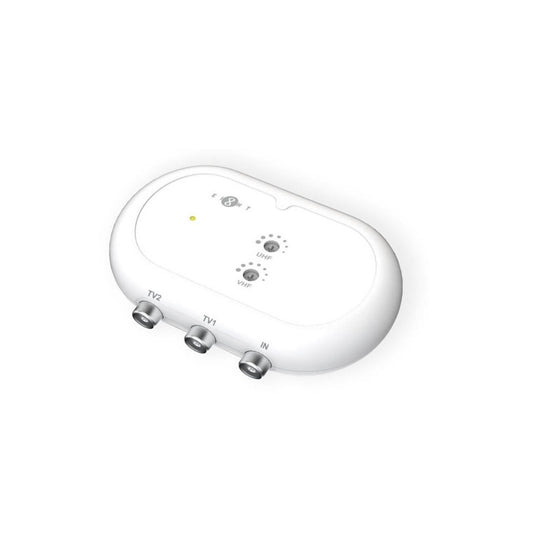
Eight CON_AMP 2-Port TV Signal Amplifier | UHF/VHF Booster
Regular price $629.00 TWDRegular price -
EIGHT LBF-700E Indoor 5G Bandpass Filter | Blocks LTE Interference
Regular price $501.00 TWDRegular price -
EIGHT MP3P2UA 3-Way Multi-Plug Adaptor with Type-C & USB-A
Regular price $332.00 TWDRegular price -
EIGHT WP102 IEC TV Antenna Wallplate - Loop Through
Regular price $149.00 TWDRegular price



Digital TV Reception & Signal Enhancement Guide
Choosing the right equipment is essential for maintaining flawless picture quality in dense urban environments. Here is a technical breakdown of our core Eight (8仔) reception products:
| Product Category | Key Technical Features | Best Use Case |
|---|---|---|
| HD Digital Antennas | High-sensitivity UHF reception, DTT compliant | Capturing free-to-air digital TV channels indoors or outdoors. |
| Signal Amplifiers (Boosters) | Adjustable gain control, active power supply | Compensating for signal loss over long coaxial cables or multi-TV splitters. |
| 5G Interference Filters | Blocks 700MHz+ cellular frequencies | Preventing nearby 5G cell towers from scrambling your digital TV signal. |
| Wallplates & Plugs | BS 1363 compliant, shielded loop-through design | Professional in-wall cable management and safe power delivery. |
Important Note (Hardware Limitation & Signal Truth): A TV signal amplifier (booster) is designed to "amplify an existing signal"—it cannot create a signal out of nowhere. If your antenna is placed in a complete "dead zone" (e.g., blocked by mountains or dense concrete buildings) with 0% base signal quality, installing an amplifier will only amplify the static noise, providing zero improvement to the picture. Always prioritize placing your antenna near a window facing the broadcasting station before purchasing an amplifier.
Frequently Asked Questions (FAQ)
Q: Why is my TV picture suddenly freezing or showing pixelated squares?
A: This is known as the "digital cliff effect." Aside from a misaligned antenna, the most common modern cause is frequency interference from newly built 5G mobile network towers nearby. Installing an Eight 5G Interference Filter between your antenna and TV can block these unwanted cellular frequencies and instantly restore a stable picture.
Q: Do I need an indoor or outdoor antenna?
A: It depends entirely on your location. If you live on a high floor with a relatively clear line of sight to the transmitter, a high-gain indoor antenna is usually sufficient. However, if you live on a low floor, in a village house, or are surrounded by dense concrete buildings, an indoor antenna will fail. You must mount an outdoor antenna on the roof or balcony to capture a usable signal.