
-
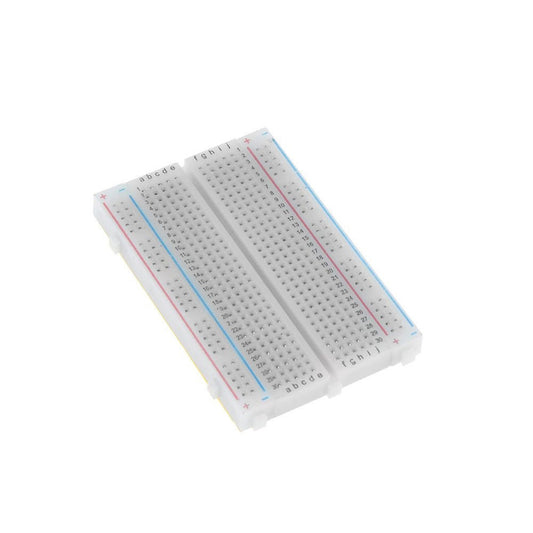
400 Tie-Point Solderless Breadboard for Arduino & DIY Projects
Regular price $64.00 TWDRegular price -
165x55mm 830-Point Solderless Breadboard for DIY Electronics
Regular price $85.00 TWDRegular price -
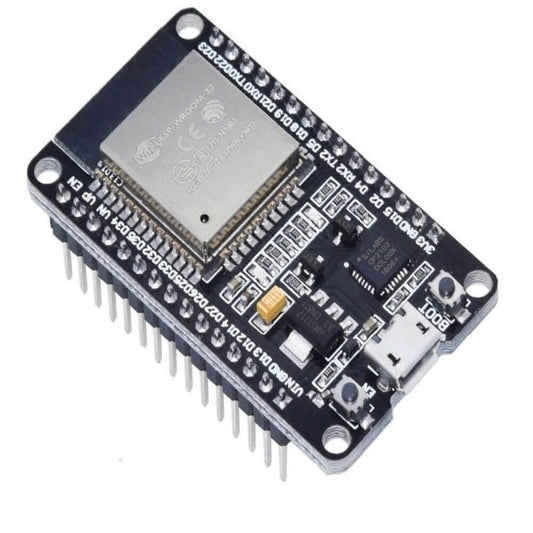
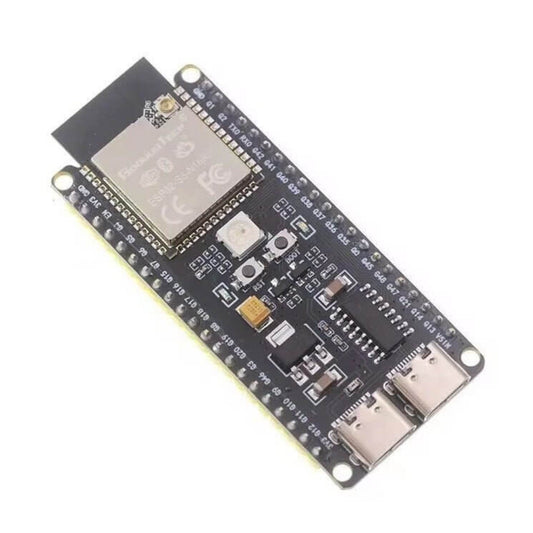
ESP32 Dev Board - 30-Pin, USB-C, WiFi & Bluetooth Module
Regular price $276.00 TWDRegular price -
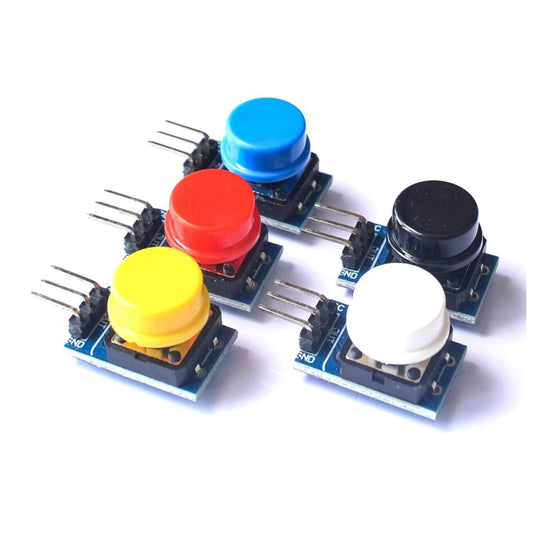
5x Arduino 12x12mm Big Button Modules with Hat - High Output
Regular price $77.00 TWDRegular price -
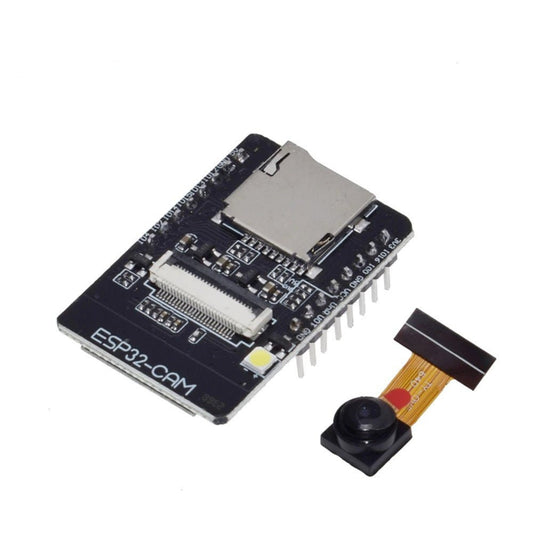
ESP32-CAM WiFi & Bluetooth Development Board with OV2640 Camera
Regular price $332.00 TWDRegular price -
ESP32 DEVKIT V1 WiFi & Bluetooth Development Board (30-Pin CH9102)
Regular price $276.00 TWDRegular price -
Double-Sided PCB Prototyping Board | 2.54mm Pitch | Multiple Sizes
Regular price From $22.00 TWDRegular price -
1.3" OLED Display Module 128x64 I2C SSD1106 Interface - White/Blue
Regular price $213.00 TWDRegular price -
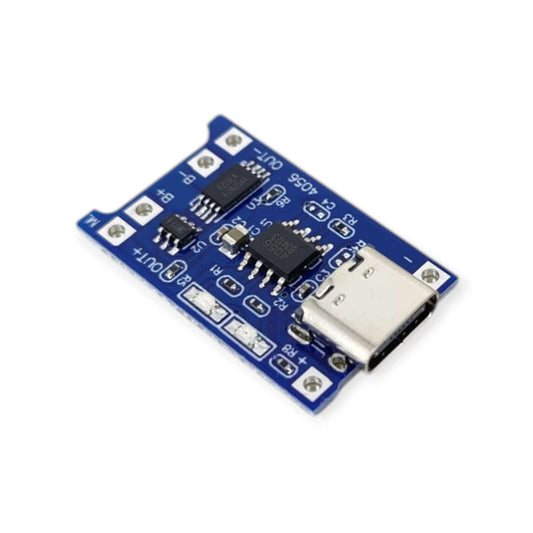
TP4056 Type-C USB 5V 1A Lithium Battery Charger Module
Regular price $43.00 TWDRegular price -
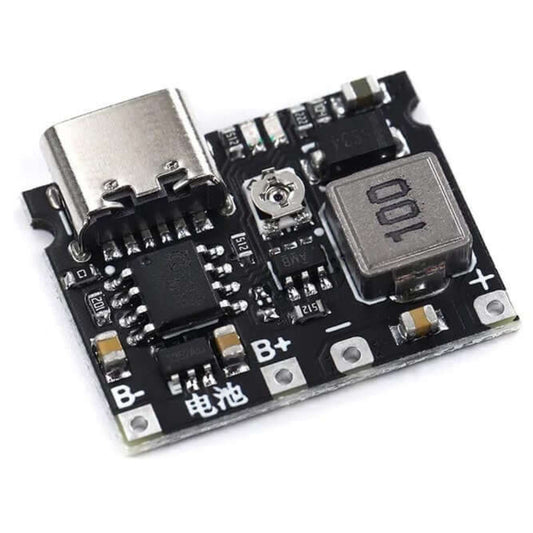
3.7V Lithium Battery Charger Board | DC-DC Step-Up Boost Module
Regular price $77.00 TWDRegular price -
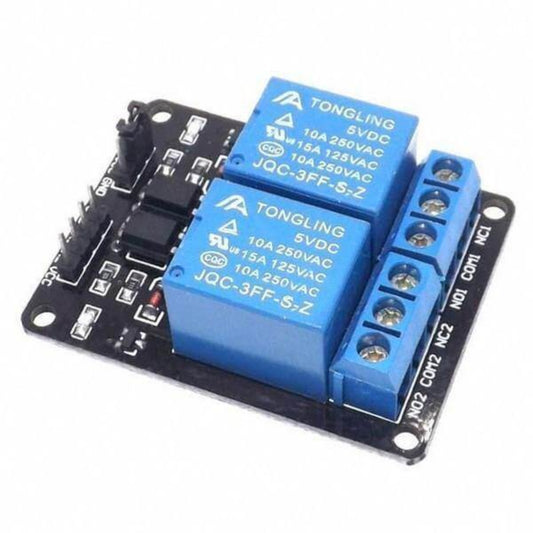
2-Channel DC 5V Relay Module with Optocoupler for Arduino & Pi
Regular price $64.00 TWDRegular price -
0.91" I2C OLED Display Module 128x32 SSD1306 for Arduino (White/Blue)
Regular price $149.00 TWDRegular price -
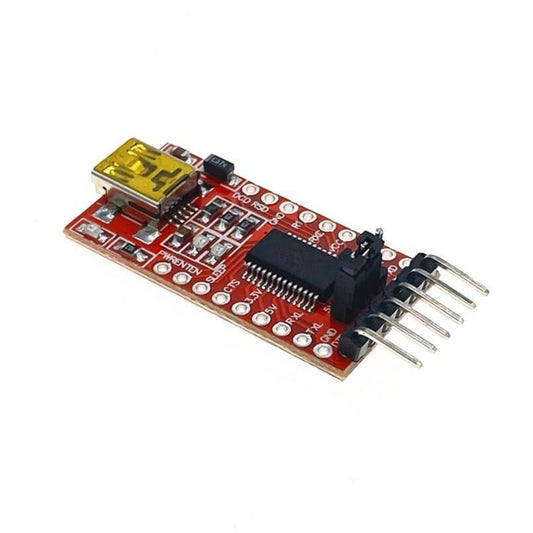
FT232RL USB to TTL Serial Adapter Module | Type-C & Mini USB
Regular price From $119.00 TWDRegular price -
Breadboard Layout Solderable PCB – 2.54mm Pitch (52×90mm)
Regular price $77.00 TWDRegular price -
ESP32-S3-N16R8 AI Dev Board | 16MB Flash, 8MB PSRAM, Type-C
Regular price $404.00 TWDRegular price -
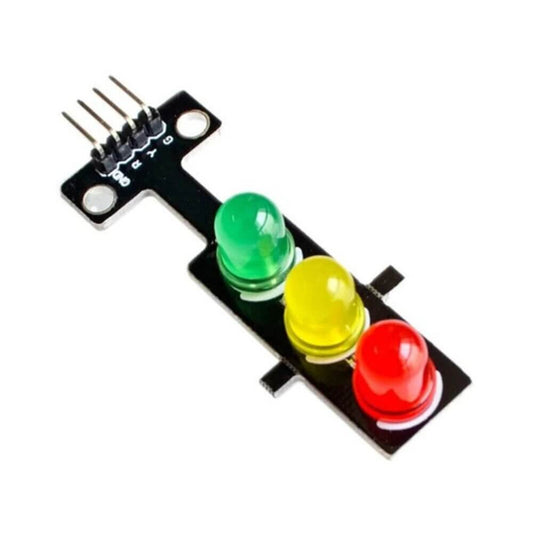
5V LED Traffic Light Module | Red Yellow Green LEDs for Arduino DIY
Regular price $43.00 TWDRegular price






Technical Guide to Electronic Modules & Components
Selecting the correct module requires a deep understanding of logic voltages, current limits, and interface protocols. Here is a technical breakdown of our core electronic modules:
| Module Category | Key Components & ICs | Best Use Case |
|---|---|---|
| Power & Battery Management | DC-DC Buck/Boost Converters, TP4056, BMS Boards | Voltage regulation, stepping up/down power, and safely charging 18650 Li-ion batteries. |
| Motor Drivers & Relays | L298N, PWM Controllers, 5V/12V Optocoupler Relays | Actuating DC motors, controlling servos, and safely switching high-power AC/DC loads. |
| Sensors & Displays | OLED/LCD Screens, MPU-6050 Gyro, Radar, Temp/Humidity | Environmental data collection, motion tracking, and real-time visual feedback. |
| Wireless & IoT Communication | ESP-12F, NRF24L01, Bluetooth Audio Decoders | Enabling smart home connectivity, remote radio control, and wireless audio. |
Important Note (Hardware Limitations & Burn Hazards): When using adjustable DC-DC Buck/Boost converters, you must use a multimeter to tune the onboard potentiometer to your target voltage before connecting your load. Connecting a device first can result in a massive overvoltage spike, instantly frying your microcontroller. Additionally, classic L298N motor drivers experience a ~2V "voltage drop" due to their older BJT architecture; for low-voltage battery projects, consider modern MOSFET alternatives.
Frequently Asked Questions (FAQ)
Q: Can I connect a 5V sensor directly to my ESP32 board?
A: No. The ESP32 operates strictly on 3.3V logic. Sending a 5V signal into its GPIO pins will destroy the chip. You must use a Logic Level Converter module to safely bridge 5V and 3.3V components.
Q: Why is my TP4056 lithium battery charging module getting extremely hot?
A: The TP4056 is a linear charger, meaning it dissipates excess voltage as heat. If you are stepping down from 5V to charge a 3.7V battery at a full 1A current, the chip will naturally run very hot (up to 80°C). Ensure your module has adequate airflow and never enclose it in a tightly sealed plastic box without ventilation.