
-
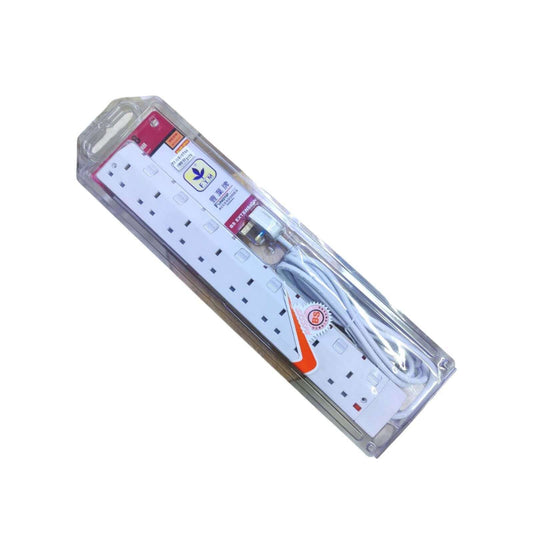
FYM S988 8-Way BS1363A Extension Socket with Individual Switches
Regular price $845.00 TWDRegular price -
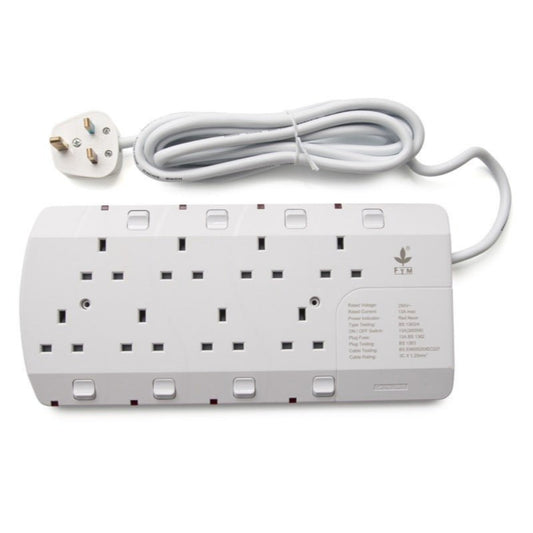
FYM 8-Way 13A UK Plug Extension Lead with Individual Switches
Regular price $913.00 TWDRegular price$658.00 TWDSale price $913.00 TWD -
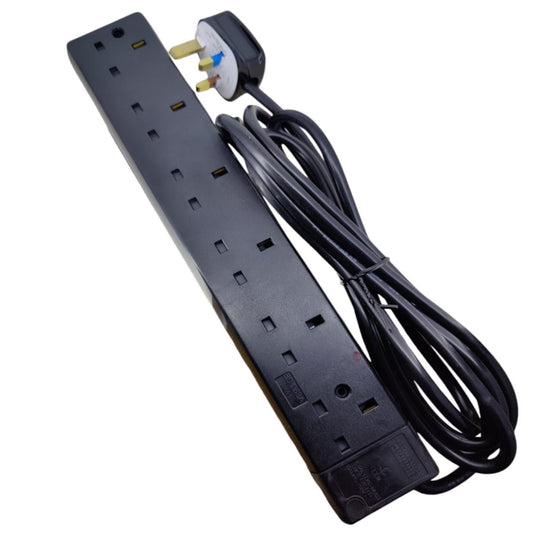
FYM 6-Outlet Power Strip with 3m Cord | 13A Overload Protection
Regular price $446.00 TWDRegular price -
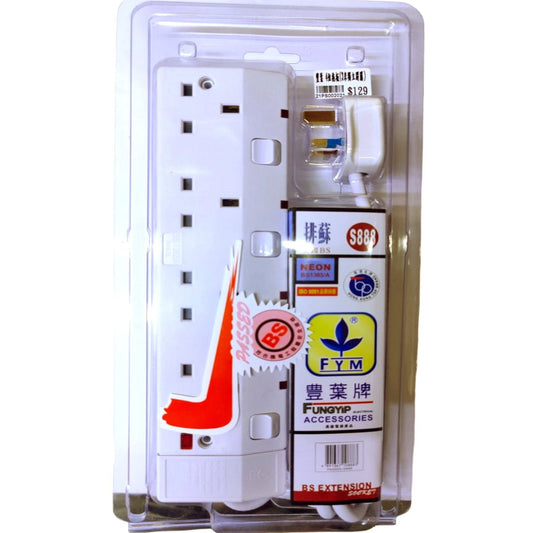
FYM 4-Way Switched 13A Extension Lead (3-Meter)
Regular price $616.00 TWDRegular price -
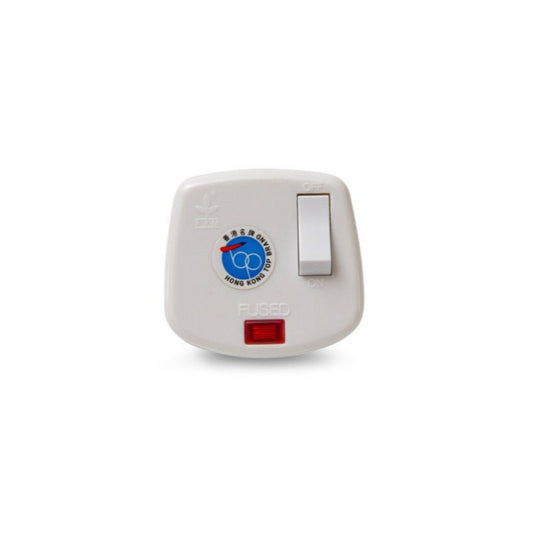
FYM 13A UK Plug with Switch & Red Indicator Light
Regular price $136.00 TWDRegular price -
FYM UK 3 Pin Double Socket Splitter - BS 1363/3 Compliant
Regular price $107.00 TWDRegular price -
FYM 13A 4-Gang Unwired Extension Socket Casing | BS1363/A
Regular price $378.00 TWDRegular price


FYM Power Strips Technical Specifications
Selecting a reliable power extension goes beyond just adding more sockets; it is about protecting your expensive hardware from electrical faults. Here is a breakdown of our core FYM products:
| Product Category | Key Technical Features | Best Use Case |
|---|---|---|
| 4-Way / 6-Way Switched Leads | 13A Fused, Individual Neon Switches, BS 1363 | Standard home offices, PC setups, and general household appliances. |
| 8-Way Heavy Duty Strips | Surge Protection, Impact-resistant casing | Home theaters, multi-monitor gaming rigs, and AV equipment racks. |
| Unwired Extension Casings | DIY wiring ready, robust internal copper contacts | Custom-length power extensions for workshops and engineering projects. |
Important Note (Electrical Limitations & Fire Hazards): All FYM power strips are rated for a maximum total load of 13 Amps (approximately 2860 Watts at 220V). You must never plug high-wattage heating appliances (such as space heaters, portable air conditioners, or microwaves) into a power strip alongside other devices. Doing so will instantly overload the circuit, causing the internal fuse to blow or, worse, melting the cables. Furthermore, never "daisy-chain" (plugging one extension lead into another) to extend your reach.
Frequently Asked Questions (FAQ)
Q: Why did my FYM power strip suddenly cut off power to all my devices?
A: This is the built-in safety mechanism working as intended. If the total power draw exceeds 13A, or if there is a sudden power surge, the internal fuse inside the main 3-pin plug will blow to protect your connected electronics from catching fire. You simply need to replace the 13A fuse inside the plug to restore functionality.
Q: Are individual switches really necessary on a power strip?
A: Yes, highly recommended. Individual switches allow you to cut power to specific devices (like a monitor or printer) when not in use, completely eliminating "phantom power" drain. More importantly, it prevents the electrical arcing (sparking) that often occurs when physically pulling a plug out of a live socket.