
-
Dahua NVR4216-16P-4KS3 16-Channel 4K PoE NVR | Smart AI Video Recorder
Regular price HK$2,150.00Regular price -
Dahua 16-Channel 5MP WizSense DVR | DH-XVR5216AN-I3/T
Regular price HK$1,850.00Regular price -
Dahua 4CH WizSense DVR | DH-XVR4104HS-I/T
Regular price HK$480.00Regular price -
Dahua DH-XVR4108HS-I/T 8CH WizSense DVR | Smart AI Security
Regular price HK$550.00Regular price -
Dahua NVR2216-16P-4KS3 16-Channel 4K PoE NVR (12MP, AI SMD)
Regular price HK$1,950.00Regular price -
Dahua 8CH WizSense 5MP Penta-brid DVR (XVR5108HS-I3/T) - AI Security
Regular price HK$920.00Regular price -
Dahua XVR5104HS-4KL-I3 4K WizSense 4-Ch Penta-brid DVR
Regular price HK$950.00Regular price -
Dahua NVR5232-EI: 32-Channel 4K AI NVR with 2 HDD Bays
Regular price HK$2,950.00Regular price -
Dahua NVR4832-EI: 32-Channel WizSense NVR with 8 HDD Bays
Regular price HK$3,650.00Regular price -
Dahua NVR2108-8P-4KS3: 8-Channel 4K PoE AI Network Video Recorder
Regular price HK$1,150.00Regular price -
Dahua NVR4208-8P-EI 8-Ch 4K WizSense PoE Network Video Recorder
Regular price HK$1,750.00Regular price -
Dahua NVR2108HS-8P-4KS3 | 8-Channel 4K PoE NVR w/ AI & SMD Plus
Regular price HK$1,150.00Regular price -
Dahua NVR4108HS-8P-4KS3 8-Channel 4K PoE Network Video Recorder
Regular price HK$1,050.00Regular price -
Dahua WizSense XVR5116HS-I3 16-Channel 5MP AI Digital Video Recorder
Regular price HK$1,390.00Regular price -
Dahua NVR4116HS-8P-4KS2/L: 16-Channel 4K PoE NVR with AI Support
Regular price HK$1,150.00Regular price -
Dahua NVR2104HS-P-4KS3 4-Ch 4K PoE NVR with AI SMD Plus
Regular price HK$850.00Regular price


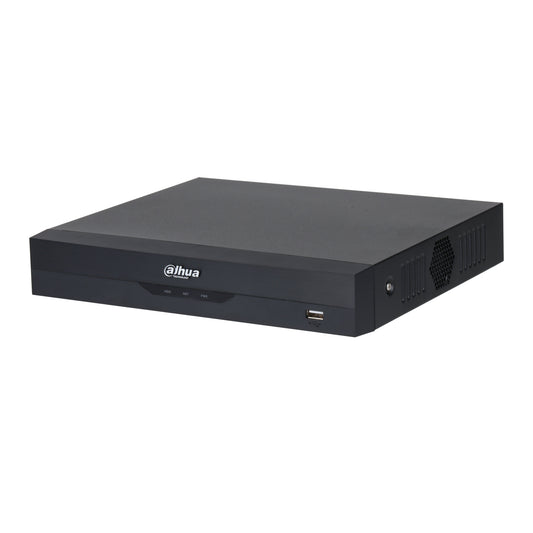
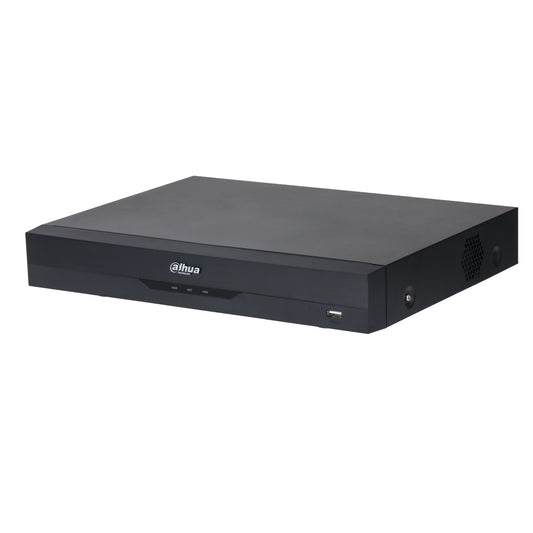
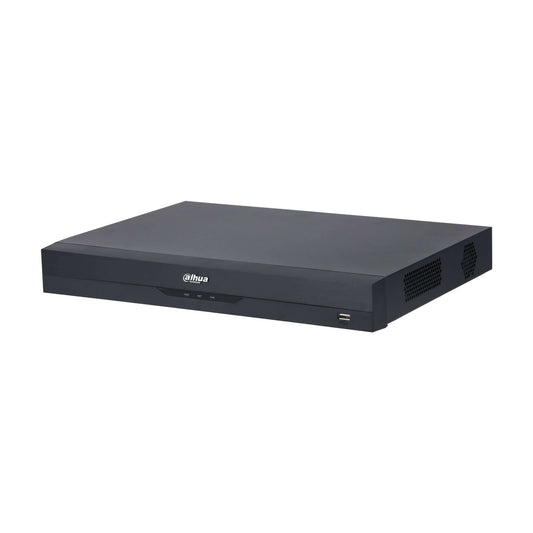
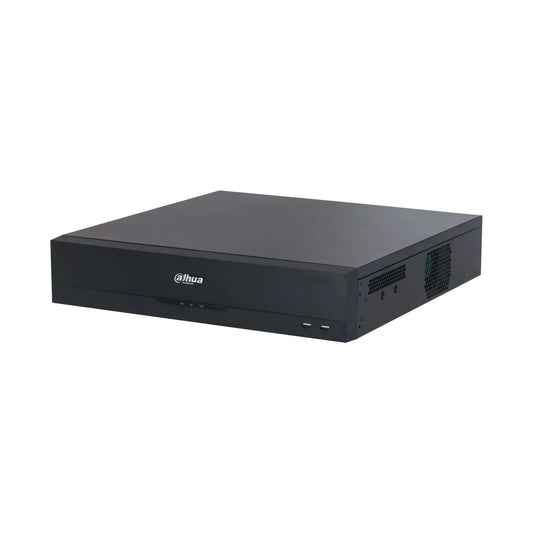
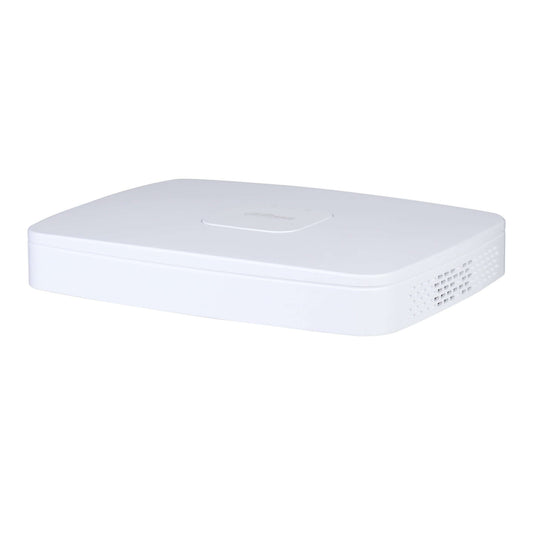
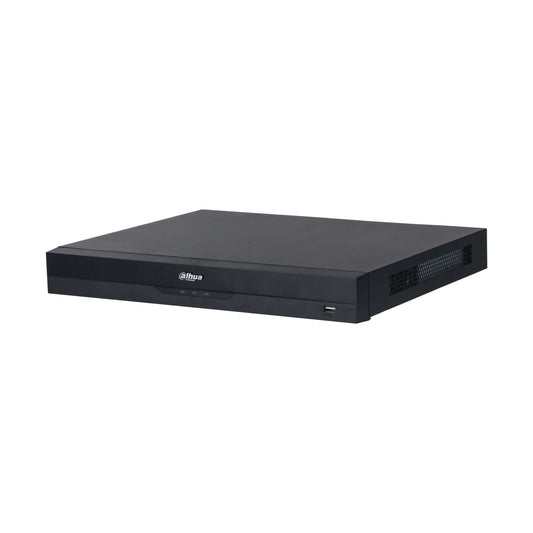



NVR vs. DVR: Choosing the Right CCTV Architecture
Selecting the correct video recorder dictates your entire cabling infrastructure and camera compatibility. Here is a technical breakdown of our recording solutions:
| Recorder Type | Cabling & Connectivity | Best Use Case & Advantages |
|---|---|---|
| NVR (Network Video Recorder) | Ethernet (Cat5e/Cat6) with PoE support | New installations. Supports high-bitrate 4K IP cameras and advanced WizSense AI analytics. Single cable for power and data. |
| DVR / XVR (Penta-brid) | Coaxial Cable (BNC) + Separate Power | Retrofitting older analog systems. Supports HDCVI, AHD, TVI, CVBS, and IP formats without replacing existing in-wall cables. |
Important Note (Storage Limitation & Data Hazard): Never install a standard desktop PC hard drive into an NVR or DVR. Desktop HDDs are designed to read/write data for 8 hours a day. CCTV recorders write data 24/7 continuously. Using a standard drive will cause it to burn out rapidly, resulting in corrupted sectors and lost security footage. You must use a dedicated Surveillance-grade HDD (e.g., WD Purple or Seagate SkyHawk).
Frequently Asked Questions (FAQ)
Q: I have an old analog CCTV system. Do I need to rip out the cables to upgrade to HD?
A: No. You can purchase a Dahua Penta-brid XVR. These modern DVRs utilize HD-over-Coax technology, allowing you to transmit 1080p or even 4K video over your existing coaxial cables. You simply replace the old DVR box and the cameras, saving you massive rewiring costs.
Q: What does "PoE" mean on an NVR?
A: PoE stands for Power over Ethernet. An NVR with a built-in PoE switch can send both the video data and the electrical power to the IP camera through a single Cat5e/Cat6 network cable. This eliminates the need to install separate power adapters (transformers) next to every camera.