-
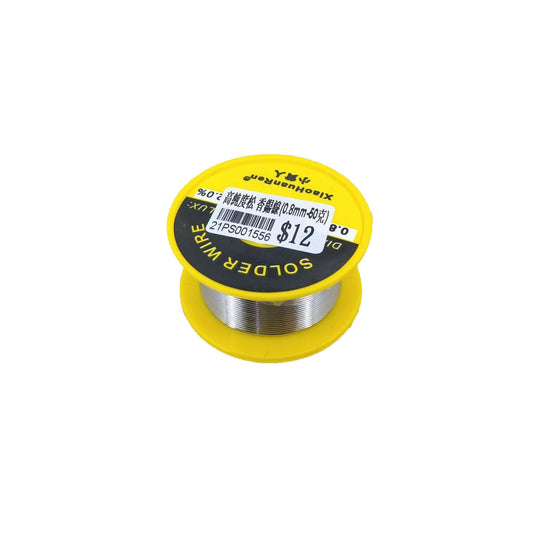
High-Quality 0.8mm Solder Wire for Electronics & DIY
Regular price HK$18.00Regular price -
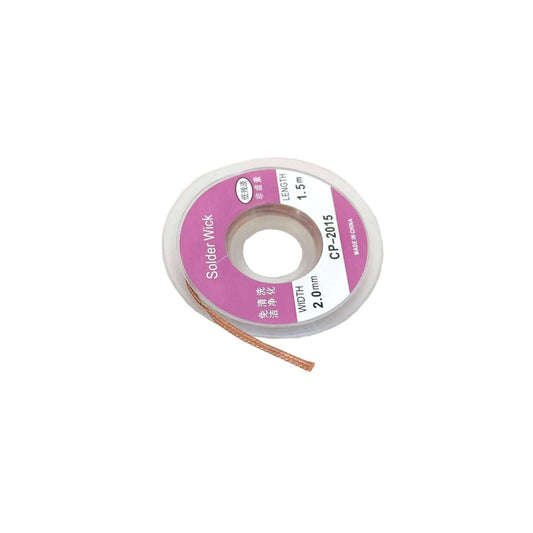
CP-2015 Solder Wick: 2.0mm Lead-Free Desoldering Braid 1.5M
Regular price HK$10.00Regular price -
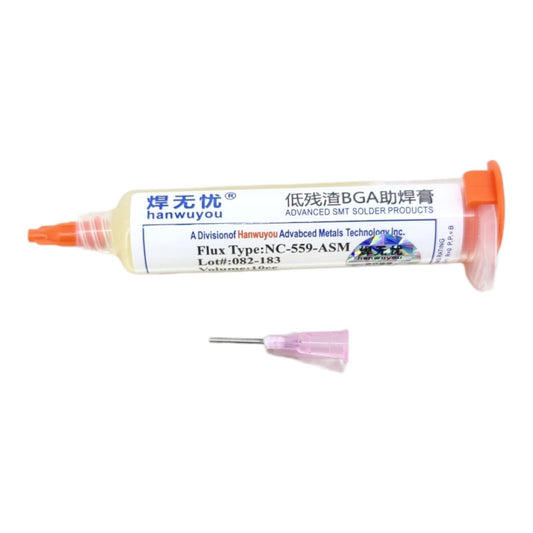
NC-559-ASM No-Clean Tacky Solder Flux Paste for BGA Repair (10cc)
Regular price HK$10.00Regular price -
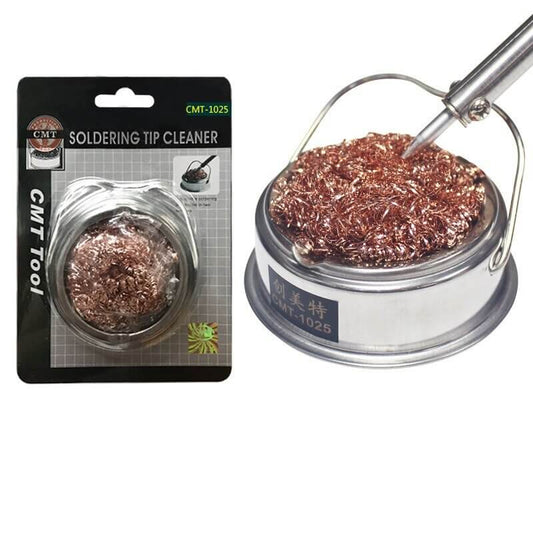
CMT-1025 Stainless Steel Soldering Iron Tip Cleaner with Wire Ball
Regular price HK$18.00Regular price -
FNIRSI HS-02A Smart Soldering Iron | 100W PD/QC Type-C (With K-Tip)
Regular price HK$268.00Regular price -
Pen-Style Solder Sucker | High-Suction Desoldering Pump Tool
Regular price HK$29.00Regular price -
LED Soldering Helping Hands Station with 3.5X/12X Magnifier & Clips
Regular price HK$59.00Regular price -
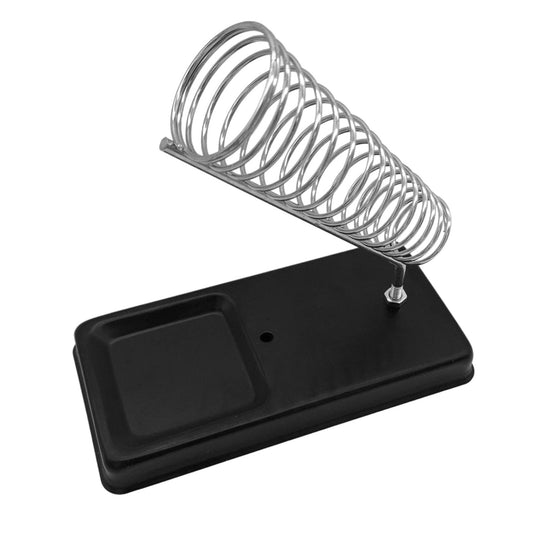
Soldering Iron Stand & Holder with Cleaning Sponge
Regular price HK$15.00Regular price -
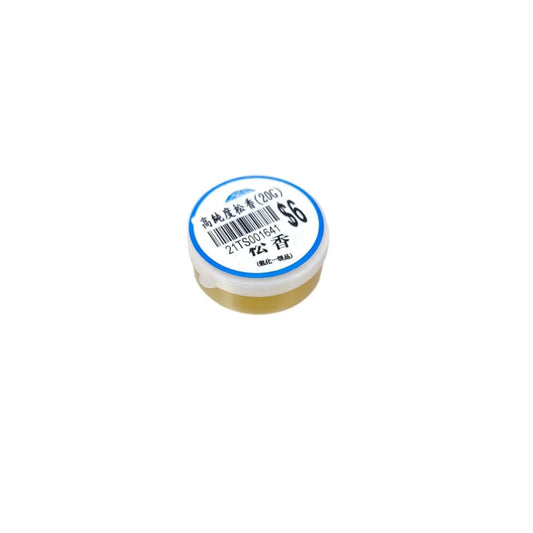
High-Purity Rosin Solder Flux Paste (20g)
Regular price HK$6.00Regular price -
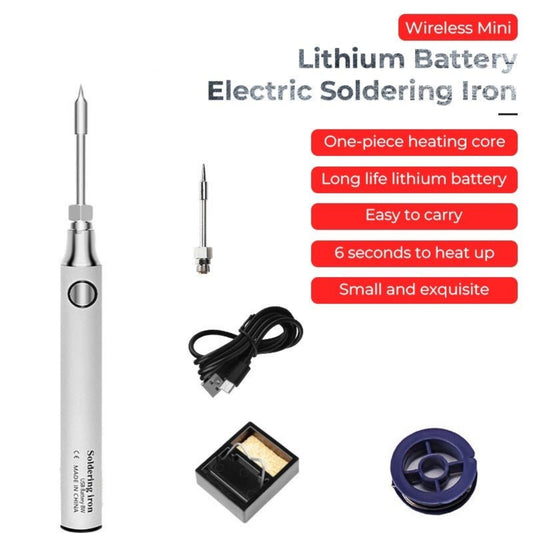
Wireless USB Soldering Iron with 3 Adjustable Temperature Levels
Regular price HK$69.00Regular price -
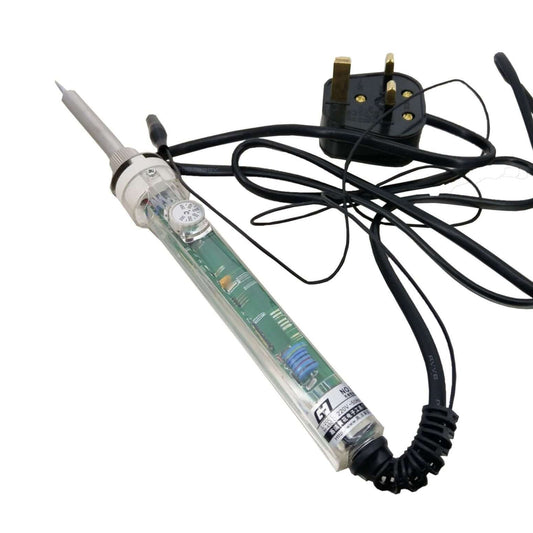
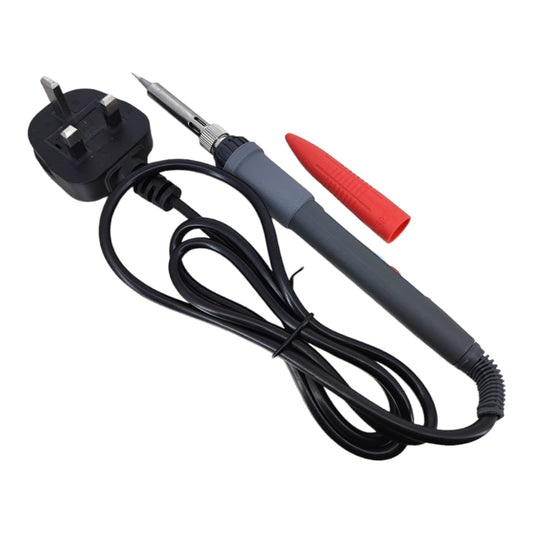
60W Adjustable Temperature Soldering Iron Kit
Regular price HK$59.00Regular price -
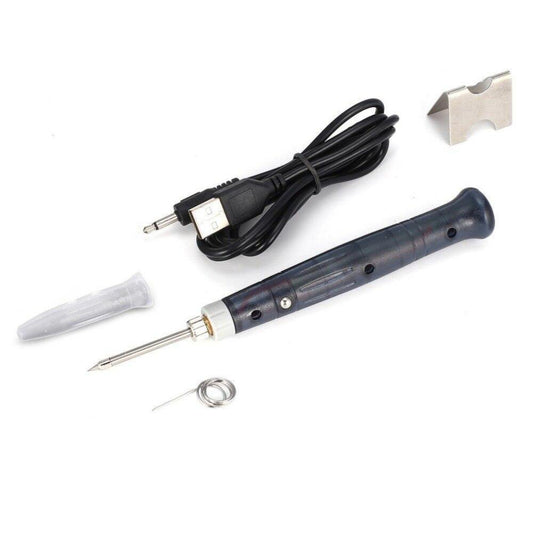
5V 8W USB Mini Soldering Iron Kit - Fast Heating
Regular price HK$38.00Regular price -
60W LCD Digital Soldering Iron - Adjustable Temperature (180-500℃/356-932℉)
Regular price HK$65.00Regular price -
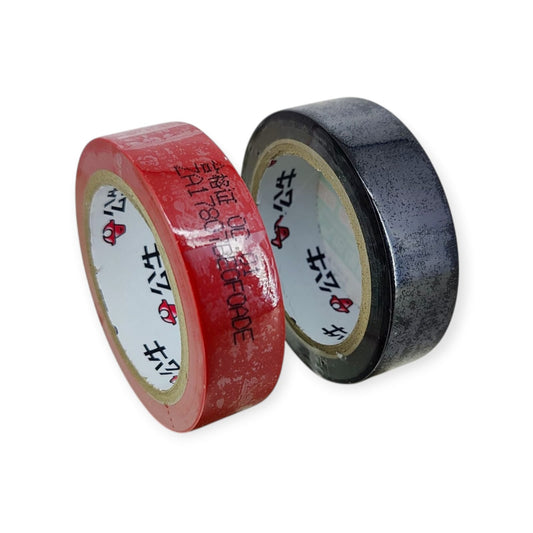
Electrical Insulation Tape - 18mm x 9m
Regular price HK$5.00Regular price -
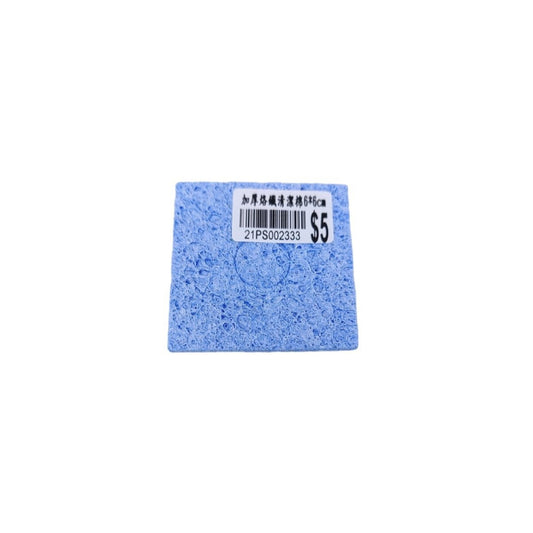
Soldering Iron Tip Cleaning Sponge (6cm x 6cm)
Regular price HK$5.00Regular price -
Adjustable Temperature Soldering Iron (60W, 200-450°C)
Regular price HK$38.00Regular price



Technical Guide to Soldering Equipment & Consumables
Achieving the perfect solder joint requires matching the right thermal tool with the correct chemical consumables. Here is a technical breakdown of our core soldering inventory:
| Tool / Consumable | Key Technical Specifications | Best Use Case |
|---|---|---|
| Smart PD Soldering Irons | 65W - 100W (USB-C PD), PID Digital Temp Control | Drone repair, custom mechanical keyboards, and precision SMD micro-soldering. |
| Solder Wire (Leaded 63/37) | 63% Tin / 37% Lead, 183°C Melting Point, Rosin Core | General electronics repair, audio cable splicing, and vintage hardware restoration. |
| Flux Paste & Rosin | No-clean tacky flux, removes surface oxidation | BGA/SMD rework, drag soldering IC pins, and improving solder wetting. |
| Desoldering Tools | High-suction vacuum pumps, pure copper desoldering wick | Removing excess solder and safely extracting through-hole components from PCBs. |
Important Note (Thermal Limitations & Tip Maintenance): Lead-free solder wire is environmentally friendly but requires a significantly higher melting temperature (approx. 227°C) compared to traditional leaded solder. Using lead-free solder on a low-wattage USB iron will result in "cold joints" and rapidly oxidize your iron tip. Furthermore, never use sandpaper or files to clean a black, oxidized soldering tip—this destroys the protective iron alloy plating. Always use a brass wire sponge and chemical tip refresher paste.
Frequently Asked Questions (FAQ)
Q: Why is my solder balling up and refusing to stick to the wire or PCB pad?
A: This is a classic sign of severe oxidation or a lack of flux. Solder will not bond to oxidized metals. To fix this, apply a small amount of high-quality Flux Paste to the joint before heating. The flux will chemically clean the surface, allowing the solder to flow smoothly and create a shiny, reliable connection.
Q: I bought a 100W Smart USB-C Soldering Iron, but it won't heat up when plugged into my phone charger. Why?
A: Smart soldering irons (like the FNIRSI series) require a power supply that supports the USB-C PD (Power Delivery) protocol. A standard 5V phone charger cannot provide the necessary voltage (usually 20V) to trigger the heating element. You must use a dedicated 65W or 100W PD charger or a high-output power bank. We stock compatible PD chargers in-store for you to test.