
-
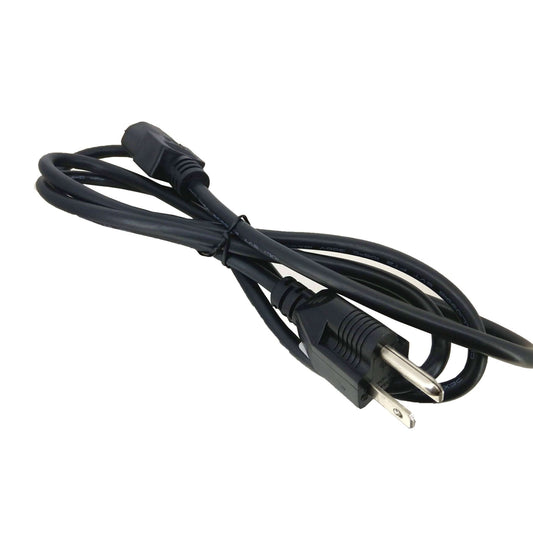
US IEC C13 Power Cord - 1.2m, 18AWG - Universal Fit
Regular price HK$12.00Regular price -
Premium 50cm Straight SATA III 6.0 Gbps Data Cable with Locking Latches
Regular price HK$15.00Regular price -
30cm USB 3.0 A Male to Micro B Cable - External HDD & SSD Data Sync
Regular price HK$28.00Regular price -
Micro USB Male → Mini USB Female Adapter
Regular price HK$19.00Regular price -
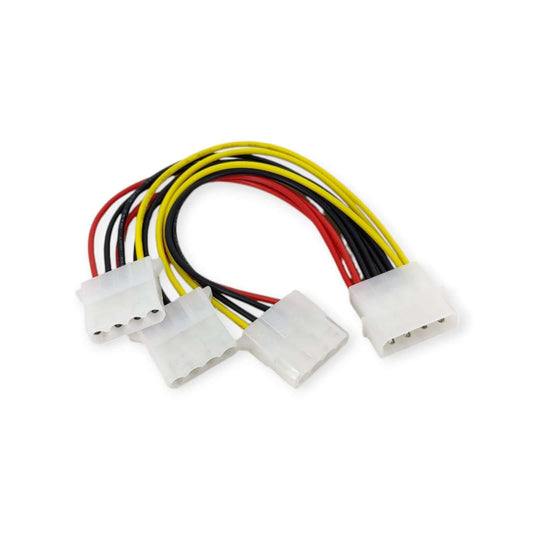
4 Pin IDE Molex Power Splitter Cable (1 Male to 3 Female) 20cm
Regular price HK$10.00Regular price -
Big Style Tamiya Plug Male & Female Connector Adapter
Regular price HK$8.00Regular price -
Z-TEK ZE533C Industrial Grade USB to RS232 Serial Converter Cable
Regular price HK$99.00Regular price -
IEC 320 C14 to C5 AC Adapter for Laptop - Mickey Mouse Converter
Regular price HK$20.00Regular price -
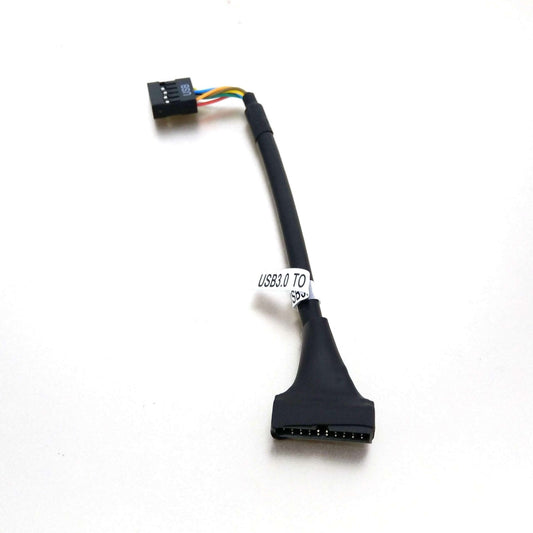
USB 3.0 Male to 9-Pin USB 2.0 Female Motherboard Converter Cable
Regular price HK$20.00Regular price -
Z-TEK ZY099 RS232 to TTL (5V) Converter | Driver-Free Serial Adapter
Regular price HK$79.00Regular price -
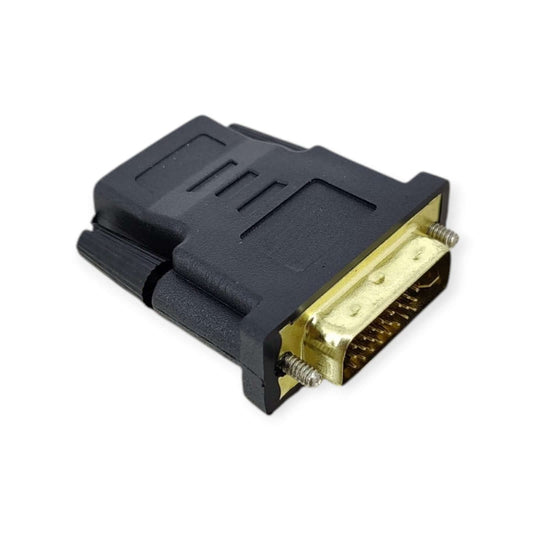
DVI-D (24+1) Male to HDMI Female Adapter | 1080p Video Converter
Regular price HK$15.00Regular price -
DVI 24+5 (M) to HDMI (F) Adapter | 1080P Video Converter
Regular price HK$15.00Regular price






PC Connectivity & Industrial Cable Specifications
Selecting the correct cable involves matching connector types, voltage ratings, and data transfer protocols. Here is a technical breakdown of our core computer cable inventory:
| Cable Category | Key Technical Specifications | Best Use Case |
|---|---|---|
| IEC Power Cords | C13 (Kettle), C5 (Mickey Mouse), C7 (Figure-8) | Powering desktop PC power supplies (PSUs), laptop chargers, and monitors. |
| Internal PC Cables | SATA III (6Gbps), 4-Pin Molex to SATA, 3-Pin Fan Extensions | Expanding motherboard storage (SSD/HDD) and optimizing PC case cooling. |
| Industrial Serial Adapters | USB to RS232 (DB9), FTDI / CH340 Chipsets | Connecting modern laptops to legacy CNC machines, PLCs, and network switches. |
| Display & Video Adapters | DVI-D to HDMI, Micro HDMI, DisplayPort Converters | Setting up dual-monitor workstations and connecting to legacy projectors. |
Important Note (Hardware Limitation & Fire Hazard): When expanding internal PC storage, be extremely cautious with "Molex to SATA" power adapters. Cheaply manufactured "molded" adapters are notorious for causing electrical shorts and fires because the injection molding process can shift the internal wires too close together. We strongly recommend using "crimped" SATA adapters or relying on the native SATA power cables from your ATX power supply to prevent catastrophic hardware damage.
Frequently Asked Questions (FAQ)
Q: Are all IEC C13 computer power cords the same?
A: No. The safety and capacity of a power cord depend entirely on its internal wire gauge (measured in AWG or mm²). A standard 18AWG cord is sufficient for a regular office PC or monitor. However, if you are powering a high-end gaming rig with a 1000W+ PSU or an enterprise server, you must use a thicker 14AWG or 1.0mm² heavy-duty cord to prevent the cable from overheating and melting.
Q: I bought a USB to RS232 cable online, but Windows 11 says "Driver Error". Why?
A: This occurs because many cheap serial cables use counterfeit Prolific (PL2303) chips, which modern Windows updates actively detect and block. For professional and industrial environments, you must use an adapter with a genuine FTDI chipset or a verified CH340 chip. We stock Z-TEK industrial-grade serial adapters that guarantee plug-and-play compatibility across Windows, Mac, and Linux systems.