
-
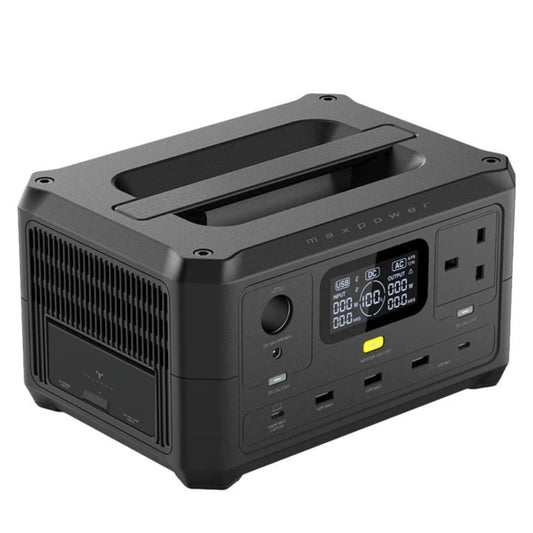
Maxpower Optimus Power Tank 300W 256Wh (Model: VG8000F)
Regular price $8,138.00 TWDRegular price -
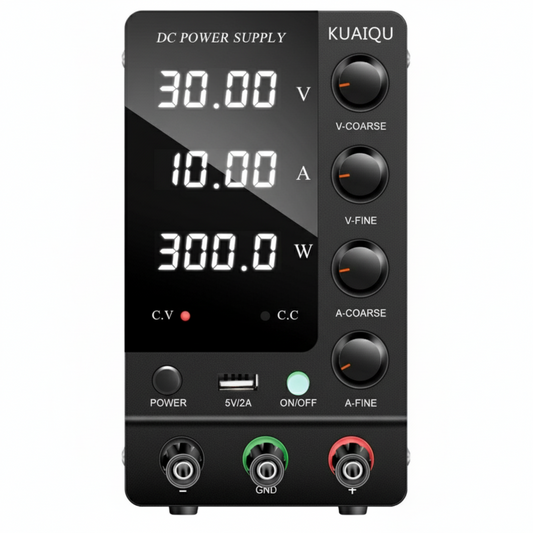
60V 5A Adjustable DC Power Supply with USB - SPS-C605
Regular price $1,687.00 TWDRegular price -
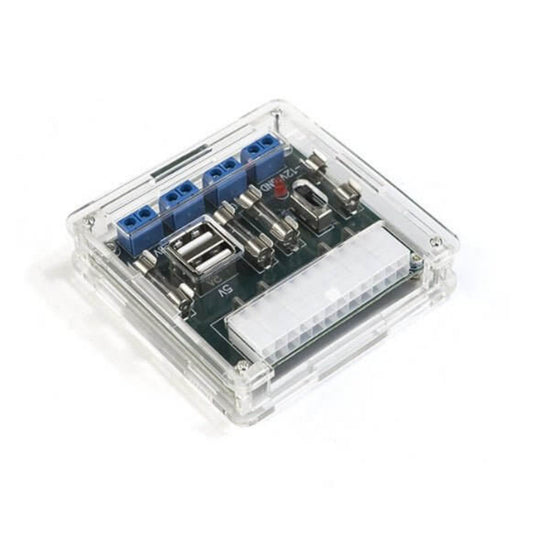
ATX PC Power Supply Breakout Board with USB Ports & Acrylic Case
Regular price $140.00 TWDRegular price
Engineering-Grade Power Solutions & Specifications
Selecting the correct power supply is critical to preventing hardware damage and ensuring system stability. Here is a technical breakdown of our core power delivery units:
| Power Supply Type | Key Technical Features | Best Use Case |
|---|---|---|
| Adjustable DC Power Supplies | 0-30V / 0-60V output, Constant Voltage (CV) & Constant Current (CC) modes. | Lab testing, PCB short-circuit diagnostics, and battery charging experiments. |
| Industrial Switching Power Supplies | 12V / 24V high-current output, metal mesh casing for passive cooling. | CCTV networks, LED lighting strips, and industrial automation equipment. |
| GaN (Gallium Nitride) Chargers | Up to 200W output, multi-port USB-C Power Delivery (PD). | Fast-charging high-end laptops, smartphones, and portable devices with minimal heat. |
Important Note (Safety Limitation & Installation Hazard): Industrial switching power supplies (metal mesh transformers) feature exposed AC terminal screws. They are not plug-and-play consumer devices. They must be installed inside an insulated enclosure or distribution box by a qualified technician to prevent fatal electric shocks. Furthermore, when using an adjustable DC bench power supply, always set your target voltage before connecting your device to prevent accidental overvoltage damage to sensitive motherboards.
Frequently Asked Questions (FAQ)
Q: Can I use a 24V industrial power supply for my 12V CCTV cameras if I add a step-down buck converter?
A: While technically possible, it is highly inefficient and introduces an unnecessary point of failure. For multi-camera setups, we strongly recommend using a dedicated 12V CCTV Power Supply Distribution Box. These boxes feature individual PTC resettable fuses for each channel, ensuring that a short circuit on one camera will not take down your entire surveillance network.
Q: Why are GaN chargers more expensive than standard USB chargers?
A: Gallium Nitride (GaN) components generate significantly less heat and sustain higher power transfers (e.g., 100W+ PD) much more efficiently than traditional silicon chips. This allows for a drastically smaller charger that won't overheat or throttle power when charging a high-end laptop for extended periods.