
-
AH-310 Smart Spectrometer & Color Temperature Light Meter
Regular price HK$298.00Regular price -
Type-C Digital Power Tester | 240W Voltmeter & Ammeter (0-12A)
Regular price HK$55.00Regular price -
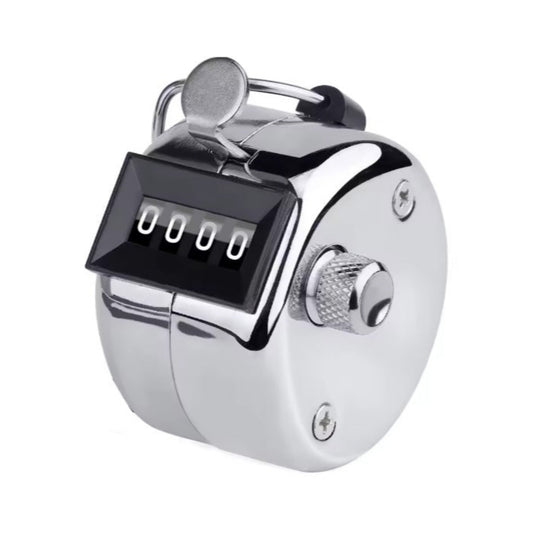
4-Digit Mechanical Hand Tally Counter - Manual Clicker for Events
Regular price HK$18.00Regular price -
3-in-1 pH Buffer Calibration Powder Set (4.00, 6.86, 9.18) for pH Meters
Regular price HK$15.00Regular price -
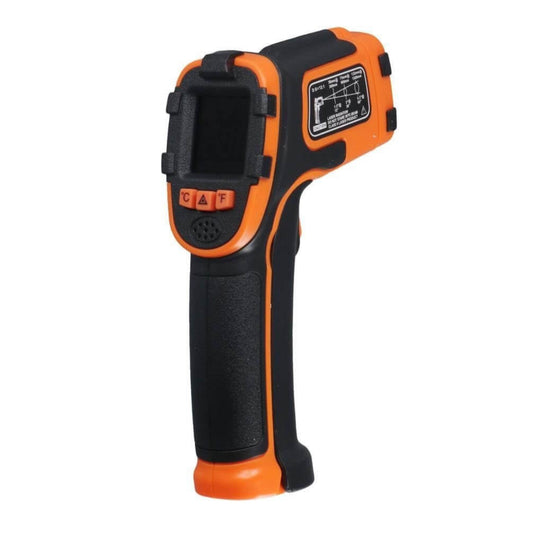
Smart Sensor AR390F Non-Contact Infrared Thermometer Gun
Regular price HK$89.00Regular price -
FNIRSI GC-03 3-in-1 Geiger Counter & EMF Detector
Regular price HK$458.00Regular price -
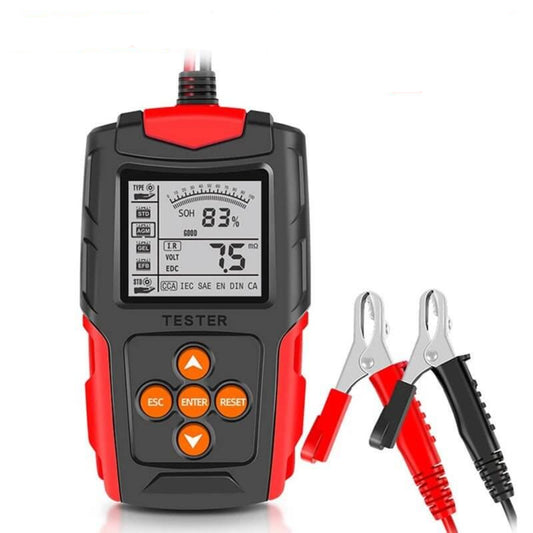
FOXSUR 12V 24V Smart Battery Tester for Cars & Trucks
Regular price HK$228.00Regular price -
10-in-1 Smart Air Quality Monitor (PM2.5, CO2, Formaldehyde)
Regular price HK$188.00Regular price -
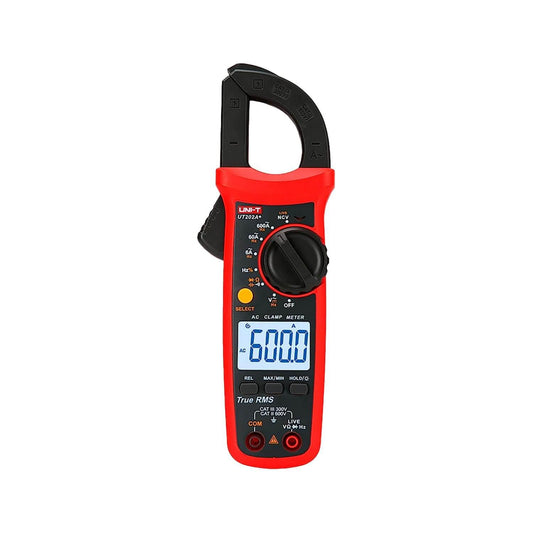
UNI-T UT202A+ Digital AC Clamp Meter 600A True RMS Multimeter
Regular price HK$165.00Regular price -
FNIRSI-1014D Dual Channel Digital Oscilloscope & Signal Generator
Regular price HK$1,180.00Regular price -
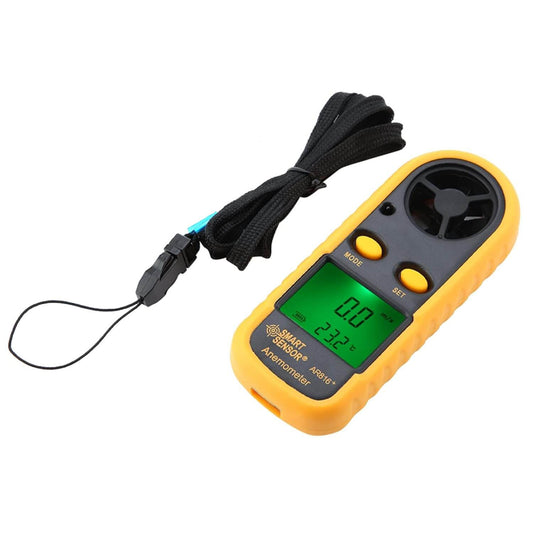
Smart Sensor AR816+ Handheld Digital Anemometer & Temp Meter
Regular price HK$89.00Regular price -
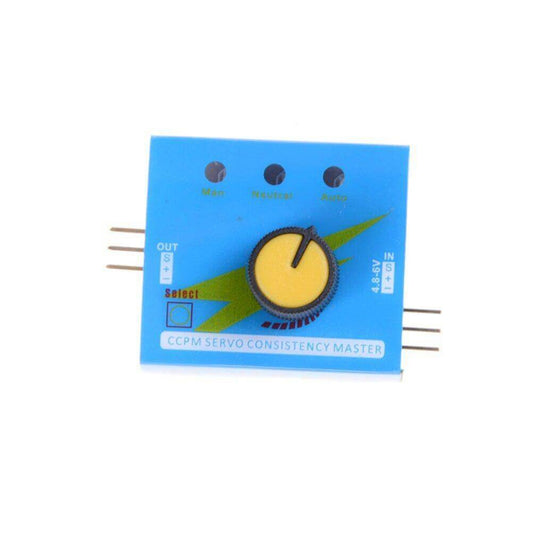
3 Channel Digital Servo Tester for RC Models and ESC Speed Controller
Regular price HK$20.00Regular price -
HT91D+ Smart Digital Voltage Tester Pen with LCD Display & Screwdriver
Regular price HK$58.00Regular price -
FNIRSI LCR-ST2 Smart LCR Meter Tweezers – SMD Tester & ESR Bridge
Regular price HK$288.00Regular price -
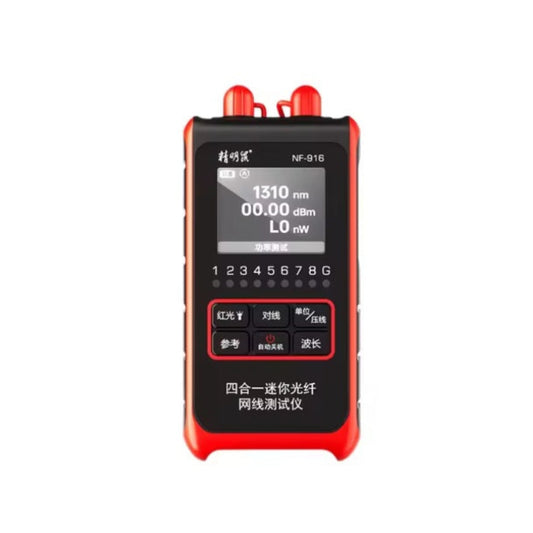
NF-916 4-in-1 Fiber Optic Power Meter & LAN Network Tester
Regular price HK$215.00Regular price -
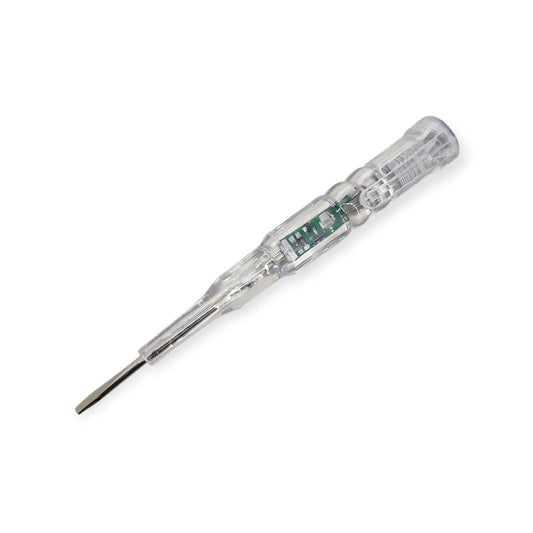
Professional Voltage Tester Pen with Light Indicator & Screwdriver Tip
Regular price HK$15.00Regular price








Essential Diagnostic Instruments & Applications
Selecting the right diagnostic tool requires matching the instrument's specifications to your specific engineering needs. Here is a technical breakdown of our core measuring equipment:
| Tool Category | Key Specifications | Best Use Case |
|---|---|---|
| Digital Multimeters (DMM) | True RMS, Auto-ranging, NCV (Non-Contact Voltage) | Electrical troubleshooting, PCB component testing, and continuity checks. |
| Oscilloscopes & Signal Generators | 100MHz+ Bandwidth, Dual-channel, High Sampling Rate | Visualizing waveforms, debugging microcontrollers, and automotive sensor testing. |
| Thermal Imagers | High IR Resolution, PC Data Logging | Detecting overheating VRMs on motherboards, HVAC leaks, and insulation faults. |
| Environmental Testers | Air Quality (PM2.5/CO2), EMF, Geiger Counters | Workplace safety compliance and indoor environmental monitoring. |
Important Note (Honest Limitation): Entry-level 2-in-1 handheld oscilloscopes are excellent for field diagnostics and automotive testing, but they lack the bandwidth and sampling rate required for high-speed digital logic analysis (e.g., debugging high-frequency RAM or CPU buses). For advanced laboratory-grade signal integrity testing, a dedicated benchtop oscilloscope is mandatory.
Frequently Asked Questions (FAQ)
Q: Do I really need a "True RMS" multimeter?
A: Yes, if you are measuring AC voltage or current on modern electronics. Standard multimeters only calculate the average of a pure sine wave. If you are working with variable speed motor drives, computer power supplies, or HVAC systems, non-linear loads will distort the waveform, making non-True RMS readings highly inaccurate.
Q: Can I use standard multimeter probes for my oscilloscope?
A: No. Oscilloscopes require specialized BNC probes with built-in attenuation (e.g., 10X or 100X) to match the instrument's impedance and protect the input channels from high voltages. Using standard multimeter leads will result in severe signal distortion and noise. We stock a variety of professional P6100 oscilloscope probe sets in-store.