
-
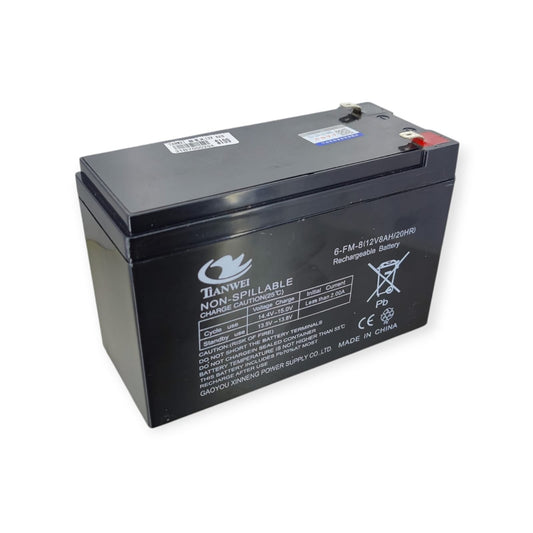
12V 8AH Sealed Lead-Acid Rechargeable Battery for UPS & Security
Regular price HK$109.00Regular price -
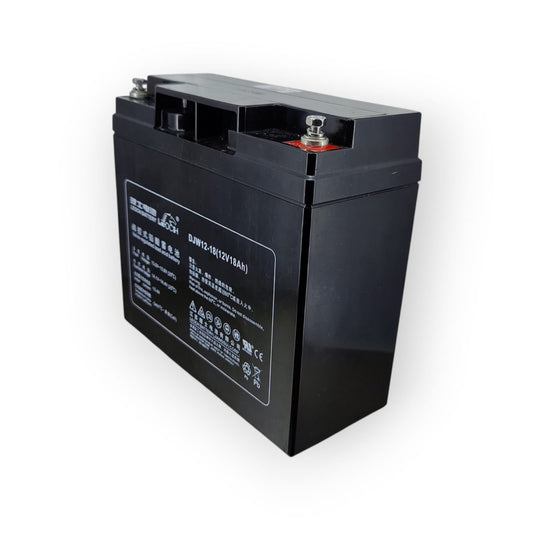
12V 18Ah Sealed Lead Acid (SLA) Battery for UPS & Mobility Scooters
Regular price HK$309.00Regular price -
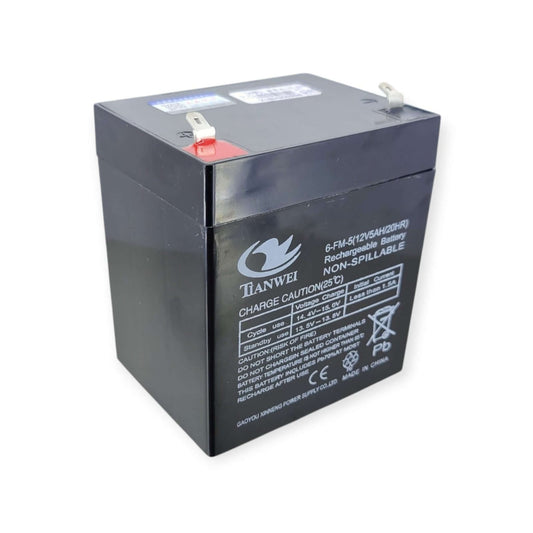
12V 5Ah Sealed Lead Acid Rechargeable Battery (90x70x100mm)
Regular price HK$85.00Regular price -
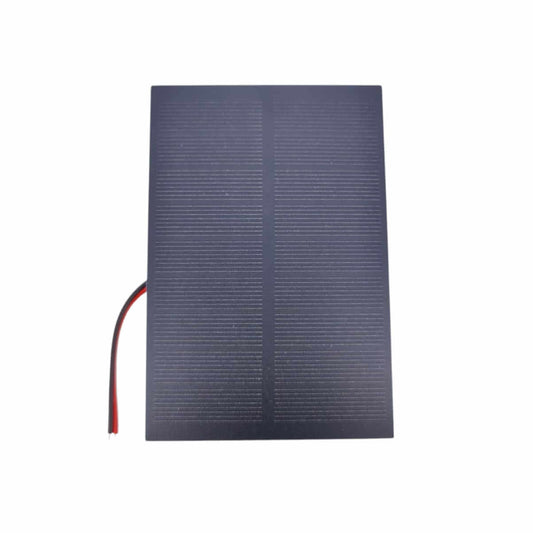
6V 2W Solar Panel (120x80mm) for DIY Charging Projects
Regular price HK$39.00Regular price -
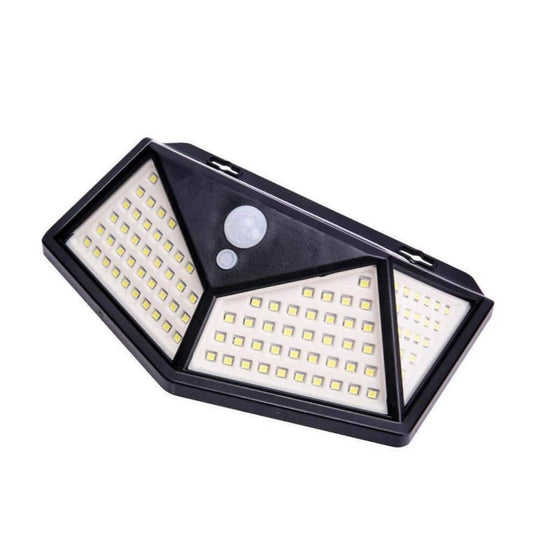
114 LED Solar Powered Motion Sensor Security Wall Light
Regular price HK$48.00Regular price -
6W Portable Mini Solar Panel with USB Output | 5V Off-Grid Charger
Regular price HK$109.00Regular price -
Mini Solar Panel 6V 1W - Polysilicon DIY Module (110 x 60mm)
Regular price HK$29.00Regular price -
3V 100mA Mini Solar Panel with Dupont Connector – DIY & STEM Projects
Regular price HK$20.00Regular price -
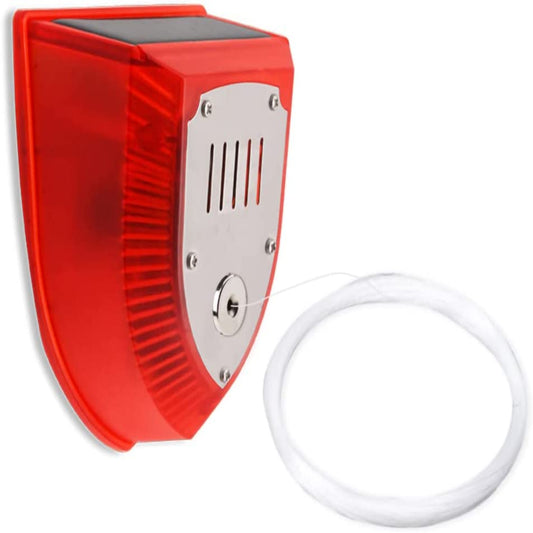
Solar Trip Wire Alarm: 129dB Siren, Outdoor/Indoor Anti-Intrusion
Regular price HK$99.00Regular price -
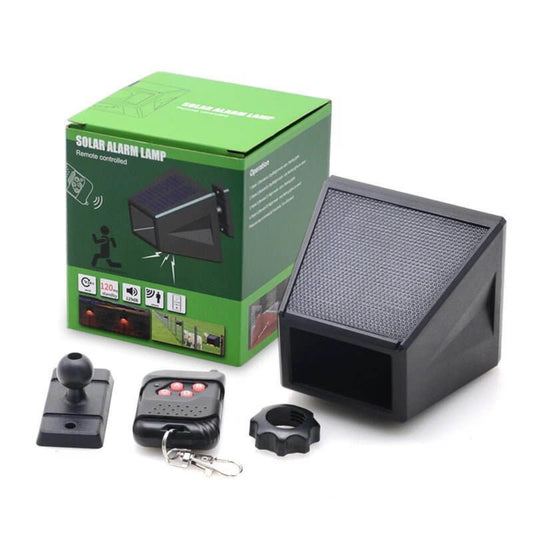
Remote Solar Motion Sensor Alarm | IP65 Waterproof
Regular price HK$159.00Regular price -
10W Foldable Portable Solar Panel | 5V USB Outdoor Charger
Regular price HK$159.00Regular price -
Energen 12V 32Ah LiFePO4 Deep Cycle Battery | Lithium Iron Phosphate
Regular price HK$520.00Regular price -
HA01 24V Battery Equalizer | 2x 12V Series Balancer for Solar & RV
Regular price HK$225.00Regular price -
10W 5V Type-C Solar Panel Charger | 1.5m Cable & Ultra-Slim Design
Regular price HK$65.00Regular price -
Solar MC4 to XT60 Adapter Cable (1.5M / 12AWG Heavy Duty Copper)
Regular price HK$55.00Regular price -
EGS002 Pure Sine Wave Inverter Board - EG8010 + IR2110 SPWM Driver
Regular price HK$30.00Regular price




Essential Components for Solar DIY Systems
Designing a solar power system requires matching the panel's output voltage with the correct charge controller and battery chemistry. Here is a technical breakdown of our core solar components:
| Component Category | Key Technical Specifications | Best Use Case |
|---|---|---|
| Mini Solar Panels | 5V / 6V / 12V / 18V outputs, Polycrystalline & Monocrystalline | STEM education kits, trickle charging, and powering remote IoT sensors. |
| Solar Charge Controllers | PWM & MPPT technologies, 10A to 60A load capacity | Regulating solar voltage to safely charge 12V/24V battery banks. |
| Energy Storage (Batteries) | 12V Sealed Lead-Acid (SLA), LiFePO4 Deep Cycle | Off-grid energy storage, UPS backups, and portable power stations. |
| Connectors & Wiring | MC4 Waterproof Connectors, Anderson Plugs, SAE Cables | Weatherproof and high-current electrical connections for outdoor setups. |
Important Note (Safety Limitation & Fire Hazard): Never connect a solar panel directly to a lithium or SLA battery without a solar charge controller. A solar panel's output voltage fluctuates wildly depending on sunlight intensity. Direct charging will cause the battery to overcharge, swell, and potentially catch fire. Always route the solar panel through a PWM or MPPT controller to regulate the charging voltage safely.
Frequently Asked Questions (FAQ)
Q: What is the difference between PWM and MPPT solar charge controllers?
A: PWM (Pulse Width Modulation) controllers are cost-effective and great for small, simple DIY projects (under 50W). However, they simply "clip" excess voltage. MPPT (Maximum Power Point Tracking) controllers are up to 30% more efficient because they convert excess voltage into usable charging current. If you are building a serious off-grid system or operating in cloudy conditions, an MPPT controller is highly recommended.
Q: Can I wire different sizes or brands of solar panels together?
A: No, this is highly discouraged. Wiring mismatched solar panels in series or parallel creates a "bottleneck effect," where the entire array's performance is dragged down to the weakest panel's output. Furthermore, voltage imbalances can cause reverse current flow, which will permanently damage the panels. Always use identical panels when expanding your solar array.